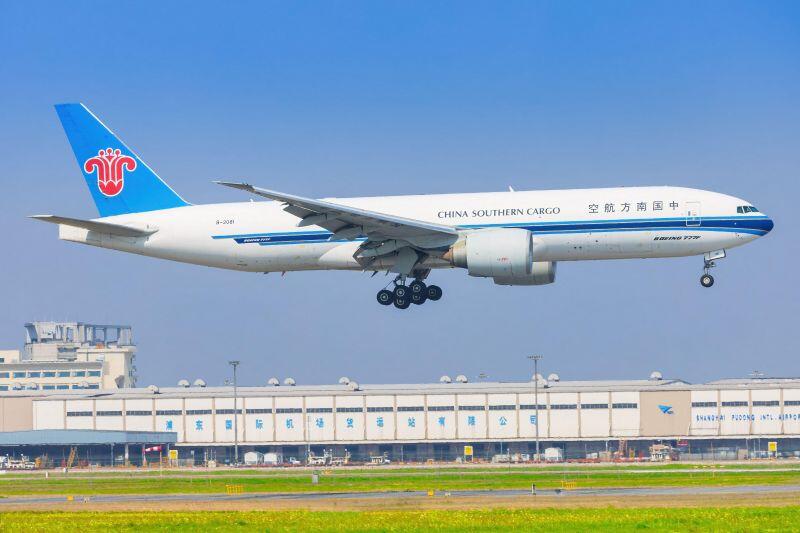
Global air cargo networks continue to evolve as carriers adjust to changing trade patterns, shifting demand, and growing competition across Asia. Against that backdrop, FedEx and China Southern Air Logistics have announced a new strategic cooperation agreement aimed at strengthening their positions in one of the world’s most important freight regions.
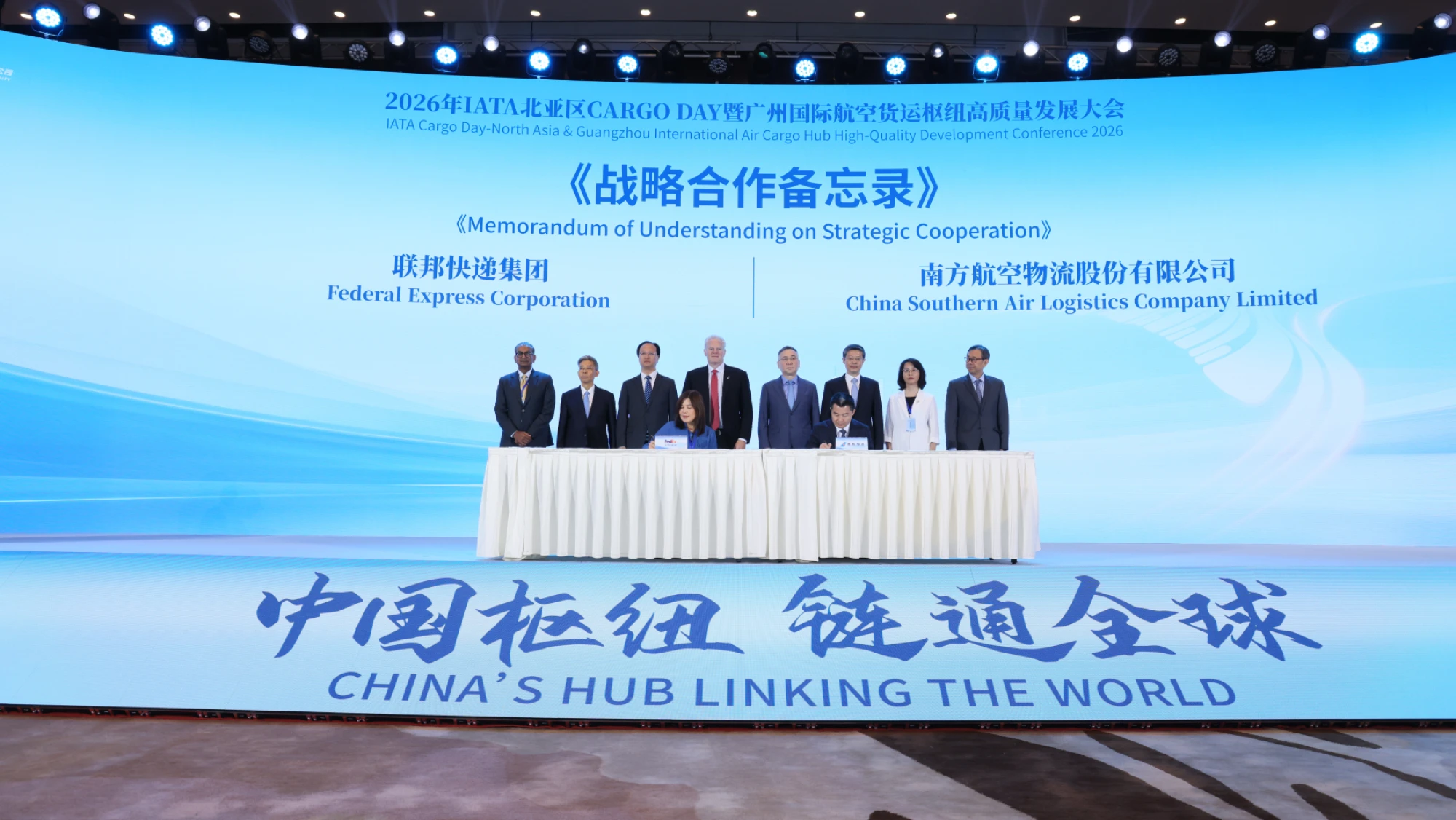
The memorandum of understanding (MOU), signed on June 2 in Guangzhou, establishes a framework for collaboration across multiple areas of air cargo operations. While the agreement itself focuses on cooperation, it also signals a broader shift in how major logistics providers are positioning themselves for the next phase of global trade.
What the Partnership Covers
According to the companies, the agreement will focus on five key areas:
- Cargo capacity cooperation
- Route network development
- Fleet collaboration
- Operational coordination
- Digitalization initiatives
The partnership combines FedEx’s global express transportation network with China Southern Air Logistics’ extensive presence in China and broader Asian markets.
By working together, both organizations aim to improve efficiency, increase network flexibility, and enhance service capabilities for customers moving freight across international markets.
Why This Matters Now
The timing of the agreement is particularly significant.
Over the past year, global air cargo carriers have been adapting to changing trade flows and uncertainty surrounding international tariffs. These conditions have encouraged logistics providers to reassess network strategies and focus on routes showing stronger long-term growth potential.
One notable trend has been the increasing importance of Asia-Europe trade lanes. While trans-Pacific freight volumes have faced volatility, demand between Asia and Europe has remained a strategic growth area for carriers seeking diversification.
FedEx has already been expanding its Asia-Europe capabilities, operating multiple weekly flights that connect Asia-Pacific shipments with major European destinations through its international network.
The new partnership provides additional opportunities to strengthen those connections while expanding access to China’s manufacturing and export ecosystem.
Competition Across Asia Is Intensifying
The announcement also comes amid a broader infrastructure race among global parcel and logistics providers.
Major carriers are investing heavily in air hubs, cargo facilities, and regional operations throughout Asia to support future growth.
Recent expansions across key aviation centers in South Korea, Hong Kong, China, and Southeast Asia highlight the industry’s commitment to building stronger regional networks capable of supporting increasingly complex supply chains.
For FedEx, deeper cooperation with China Southern Air Logistics offers another way to increase network reach without relying solely on internal capacity expansion.
The Bigger Picture
Beyond the operational benefits, the partnership reflects a larger shift in global logistics strategy.
Rather than focusing exclusively on adding aircraft or building new facilities, carriers are increasingly pursuing strategic alliances that provide faster access to markets, infrastructure, and capacity.
As international trade routes continue to evolve, partnerships like this may become a more common tool for maintaining competitiveness and improving service reliability.
For shippers, stronger cooperation between major logistics providers can translate into more routing options, improved capacity availability, and greater network resilience.
FreightGraph Take
This announcement is about much more than a standard cooperation agreement.
FedEx is repositioning its global air cargo strategy around emerging trade realities. By strengthening ties with one of China’s largest air logistics operators, the company gains greater access to a critical manufacturing and export market while reinforcing its presence on growing Asia-Europe corridors.
At the same time, the deal highlights how global logistics leaders are increasingly turning to partnerships, digital integration, and network optimization to compete in an environment where flexibility is becoming just as important as capacity.
As trade patterns continue to shift, strategic alliances like this one could play a defining role in the future of global freight movement.