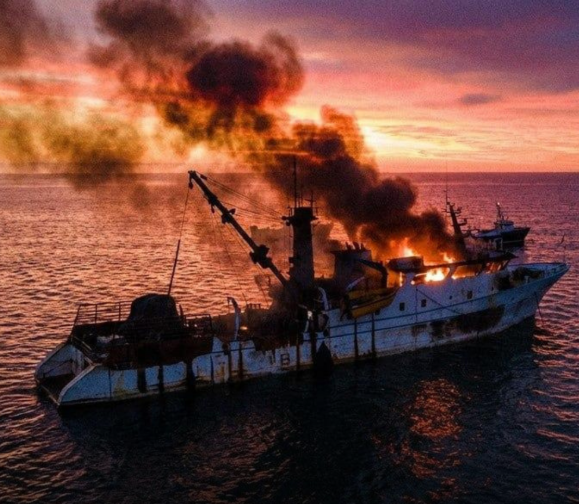
For every container vessel transiting the Strait of Hormuz, the voyage is more than another scheduled sailing—it is a passage through one of the world’s most strategically important maritime corridors. That routine was abruptly disrupted when the GFS Galaxy, a 7,000-TEU UAE-owned container vessel, came under attack while navigating the strait. According to Freight Waves, the incident resulted in a fire onboard, forcing the crew to abandon the vessel and marking the first reported attack on a container ship in the Strait of Hormuz since May.
The GFS Galaxy was operating a regional service linking Jebel Ali, Dammam, and Bahrain with major Asian ports, including Port Klang, Xiamen, Qingdao, and Busan. Although the incident involved a single vessel, it immediately drew the attention of carriers, freight forwarders, insurers, and cargo owners worldwide. The Strait of Hormuz remains one of the most critical chokepoints for international trade, meaning that any security incident in the region is closely monitored by the global logistics industry.
Beyond the immediate impact on the vessel, the attack has renewed concerns over maritime security and supply chain resilience. For logistics stakeholders, developments in the Strait of Hormuz are closely linked to vessel routing decisions, marine insurance costs, transit reliability, and overall risk management. As geopolitical tensions continue to evolve, the industry will be watching closely for any operational changes that could influence international shipping flows in the weeks ahead.