FREIGHT MATCHING
Match the right load
with the right truck.
Use AI to instantly find the best carrier matches for your loads across verified capacity, real-time data, and market context.
- Faster matching
- Higher fill rates
- More reliable carriers
Find the best carrier match
Our AI analyzes thousands of data points to rank the best trucks for your load.
Top Carrier Matches 3
Sort by Best match⌄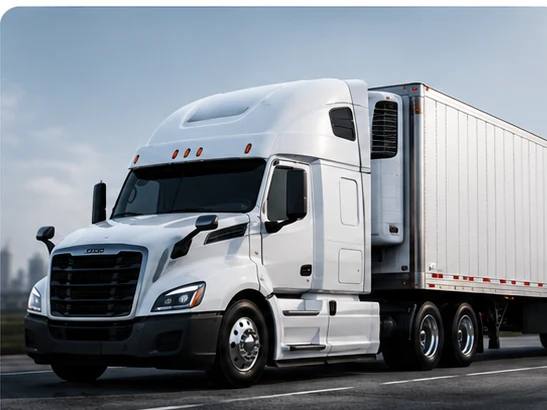
Reefer | Austin, TX | 120 mi away
- High reliability
- On-time performance
- Good lane history
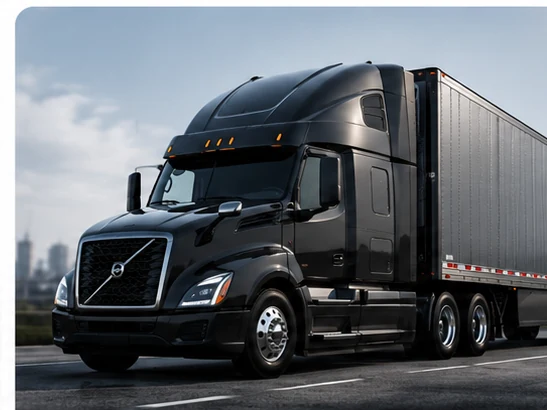
Reefer | Houston, TX | 240 mi away
- Competitive rate
- Available now
- Good safety score
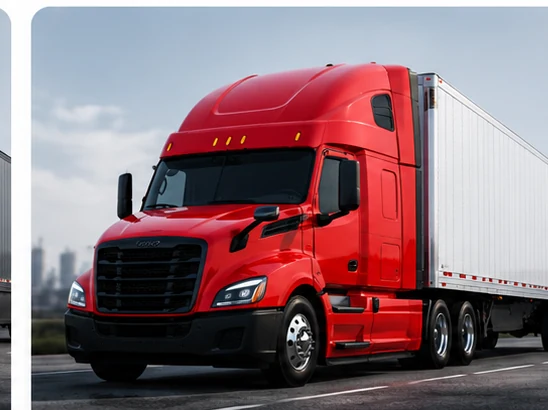
Reefer | Birmingham, AL | 310 mi away
- Experienced driver
- Clean inspections
- Flexible timing
Illustrative demo · Sample carriers and scores; not verified live matching results.
THE SOLUTION
One product for both sides of the freight decision.
Freight Matching ranks capacity for loads and freight for trucks, using the same structured operational intelligence.
Contact SalesFOR BROKERS
Find the best carrier for every load
Compare eligible capacity using real data
Reduce time spent on manual searches
FOR CARRIERS
Find the best freight for every available truck
Match by location, equipment and lane history
Get more consistent and higher quality loads
HOW IT WORKS
From freight data to a ranked shortlist.
Six steps turn structured freight data into recommendations for user review.
Capture the data
Receive structured load, truck, carrier, location, equipment, schedule, and business information.
Check eligibility
Exclude options that fail equipment, timing, driver-hour, operating-area, or qualification requirements.
Evaluate compatibility
Compare operational details with performance, lane history, and preferences.
Calculate scores
Score eligible options by overall compatibility.
Rank the options
Rank the strongest matches first.
Review and connect
Review the reasons, override recommendations, and make the final selection.
MATCHING INTELLIGENCE
What the matching engine evaluates.
Freight Matching looks beyond a single filter. It evaluates the relationship between the load, truck, carrier, lane, schedule, and expected operational outcome.
Load information
- Origin and destination
- Pickup and delivery windows
- Equipment and freight type
- Weight, dimensions, and handling needs
Truck information
- Current location and availability
- Equipment and capacity
- Driver hours and schedule
- Preferred lanes and operating area
Carrier performance
- On-time pickup and delivery
- Cancellations and service issues
- Similar freight experience
- Previous customer relationships
Historical context
- Previous shipments and lane history
- Facility experience
- Accepted and rejected matches
- Successful operating patterns
Deadhead impact
- Distance and time to pickup
- Fuel and driver-hour impact
- Empty-mile exposure
- Position after delivery
Business preferences
- Preferred carriers and customers
- Rate and service priorities
- Internal selection rules
- Network strategy
Recommendations explain equipment compatibility, location and timing, deadhead miles, lane experience, service performance, and future positioning. The closest truck does not automatically rank first.
COMPATIBILITY SCORE · ILLUSTRATIVE
Why Truck A ranks first
The strongest balance of equipment, timing, experience, and performance.
CONNECTED INFORMATION
Integrations and data sources
FreightGraph can connect with TMS platforms, load boards, APIs, internal systems, and other freight data sources to use structured load, truck, carrier, lane, and performance information across trusted shippers, brokers, 3PLs, and carriers.
AutoFill captures freight information from documents, emails, PDFs, and images and structures it for Freight Matching. AutoFill is optional; matching can also use structured data from connected systems.
Discuss Your WorkflowUSE CASES
Compare refrigerated trucks for a Dallas-to-Atlanta load.
Illustrative example · Sample data, not verified live results.
SHIPPER USE CASE
A food manufacturer needs the best refrigerated truck.
One of 12 outbound loads must move from Dallas to Atlanta within a strict pickup and delivery window.
- Network
- 34 reefer trucks
- Weight
- 36,000 lb
- Pickup
- 2:00 to 4:00 PM
- Delivery
- By 8:00 AM
| Matching criteria | Truck A Recommended | Truck B | Truck C |
|---|---|---|---|
| Compatibility | 97% | 89% | 85% |
| Deadhead miles | 21 mi | 8 mi | 43 mi |
| Availability | Strong timing fit | Later availability | Not specified |
| Experience & performance | 98% on-time 11 similar shipments Both facilities known | Limited refrigerated history | Strong shipper and Dallas-to-Atlanta history |
Truck A ranks first because it offers the strongest balance of timing, equipment, deadhead miles, facility experience, and performance.
Discuss Shipper MatchingFREQUENTLY ASKED QUESTIONS
Questions about Freight Matching.
How does FreightGraph Freight Matching work?
FreightGraph ranks trucks and carriers for loads, and loads for available trucks, using operational requirements, history, and business preferences. Users review recommendations and make the final selection.
What does the match score represent?
It represents compatibility with equipment, timing, location, driver hours, performance, lane history, preferences, and future positioning. Deadhead miles are one factor; the closest option does not automatically rank first. A score supports the decision and does not guarantee a shipment outcome.
What data sources can Freight Matching use?
Matching can use structured load, truck, carrier, lane, and performance data from connected systems. AutoFill is optional and can capture freight information from documents, emails, PDFs, and images.
Can FreightGraph connect with existing freight systems?
FreightGraph can connect with TMS platforms, load boards, APIs, internal systems, and other freight data sources. Discuss your specific systems, data access, and workflow with FreightGraph to establish the integration requirements.
READY TO MATCH
See how Freight Matching
can work for your business.
Get a personalized demo and see how it can work for your team.