








































China’s Billions in Latin American Ports Are Set to Transform Global Freight
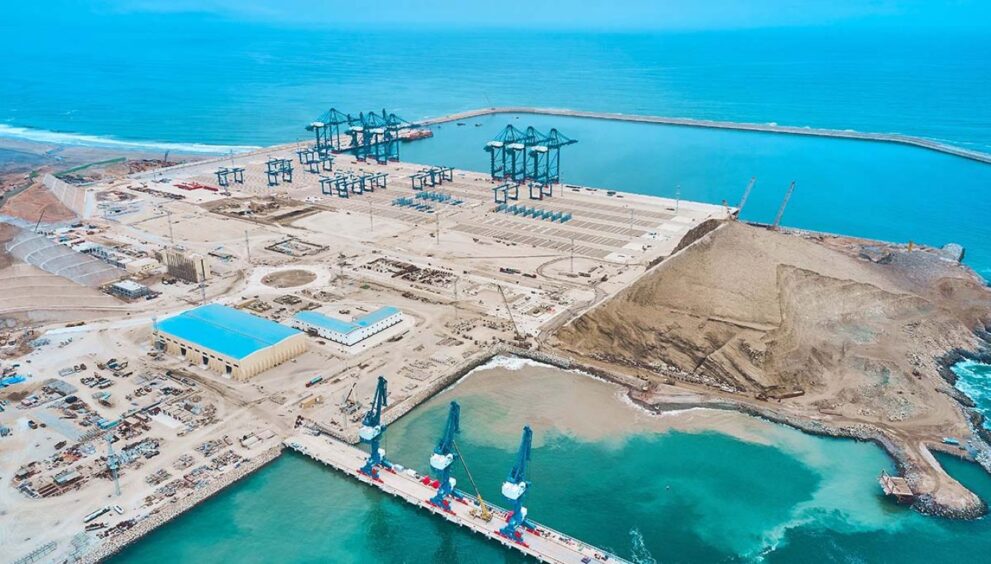
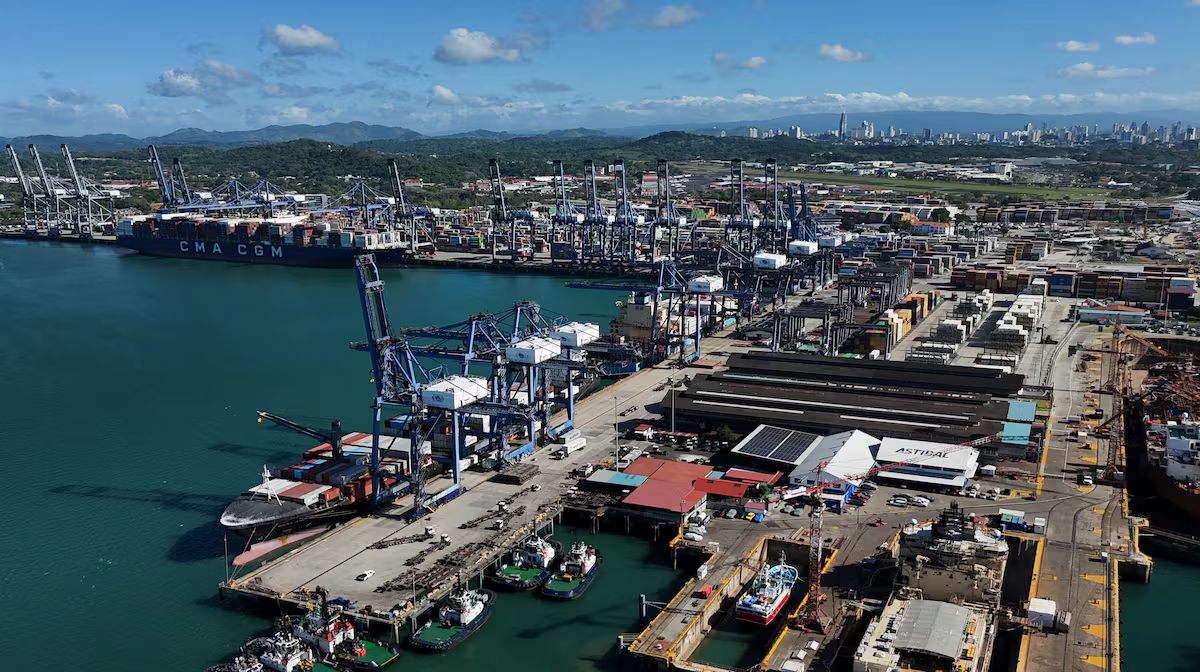
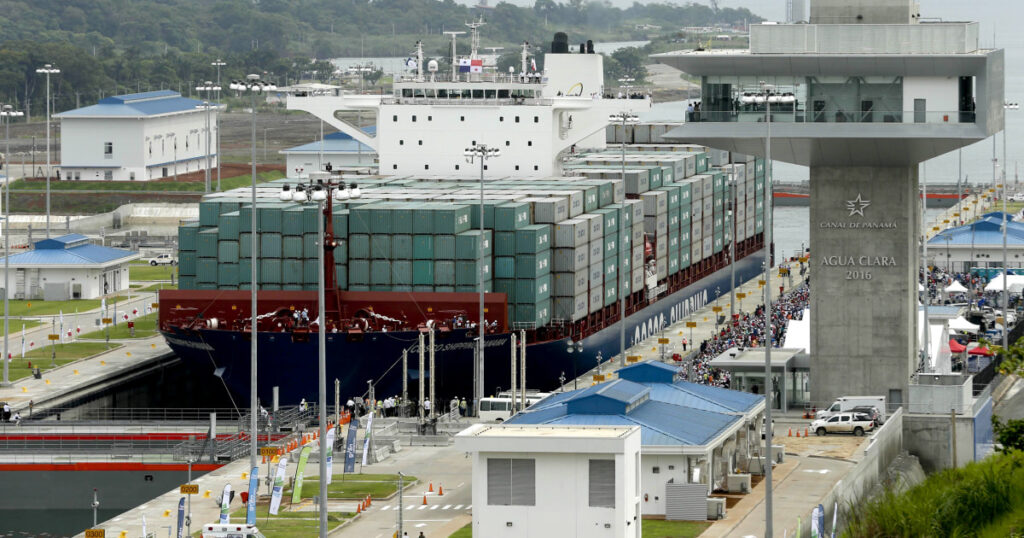
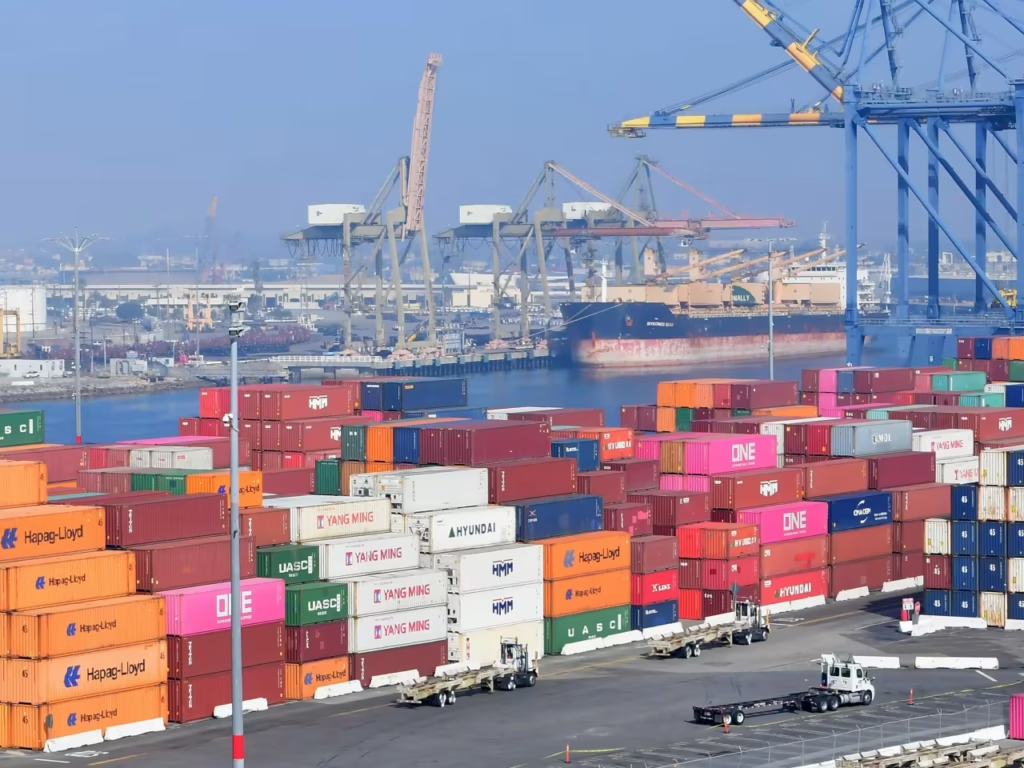
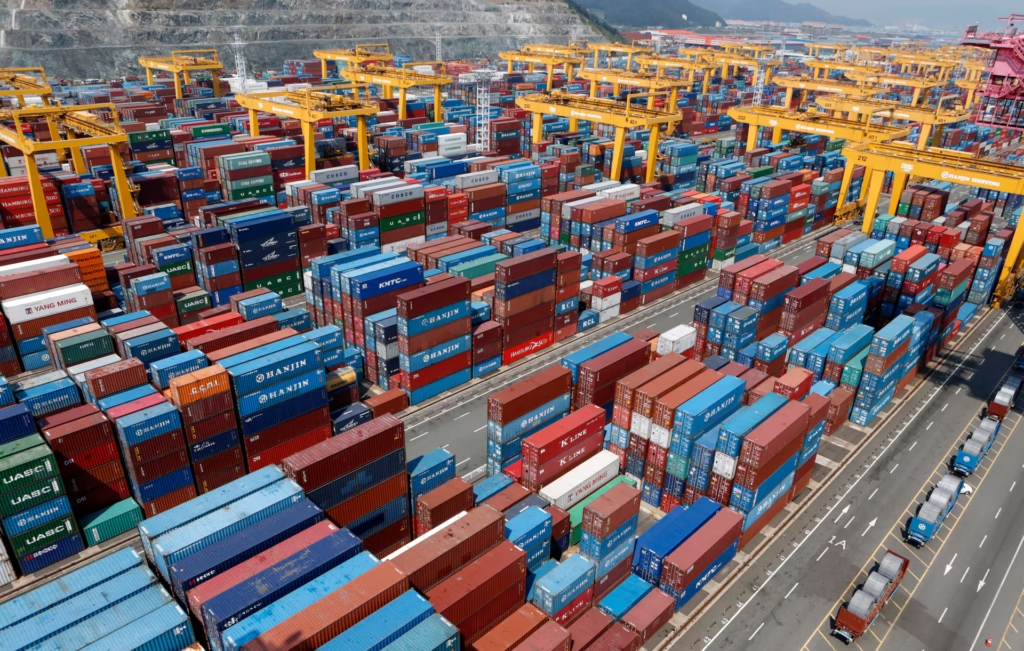
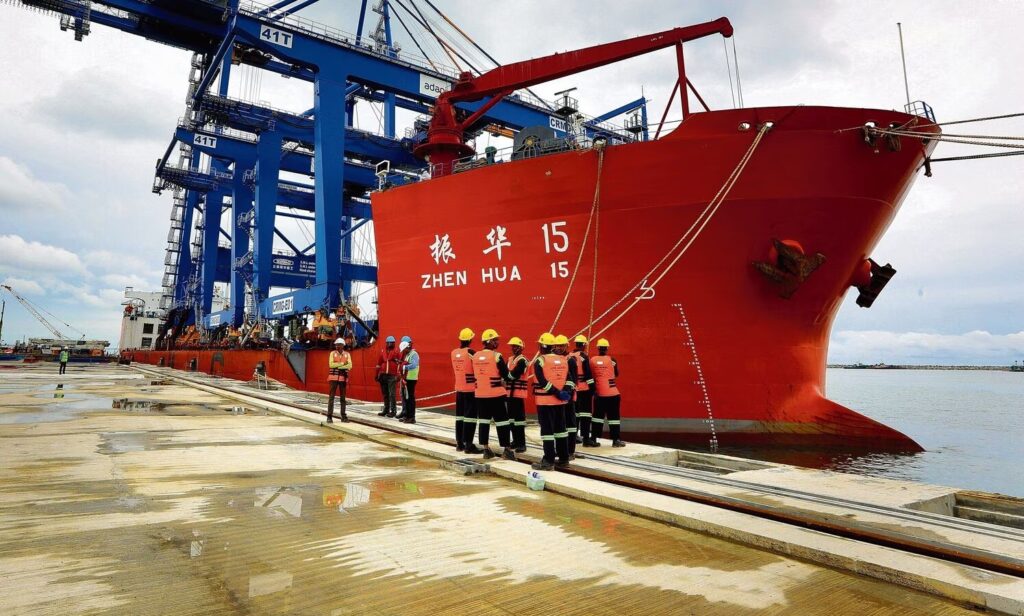
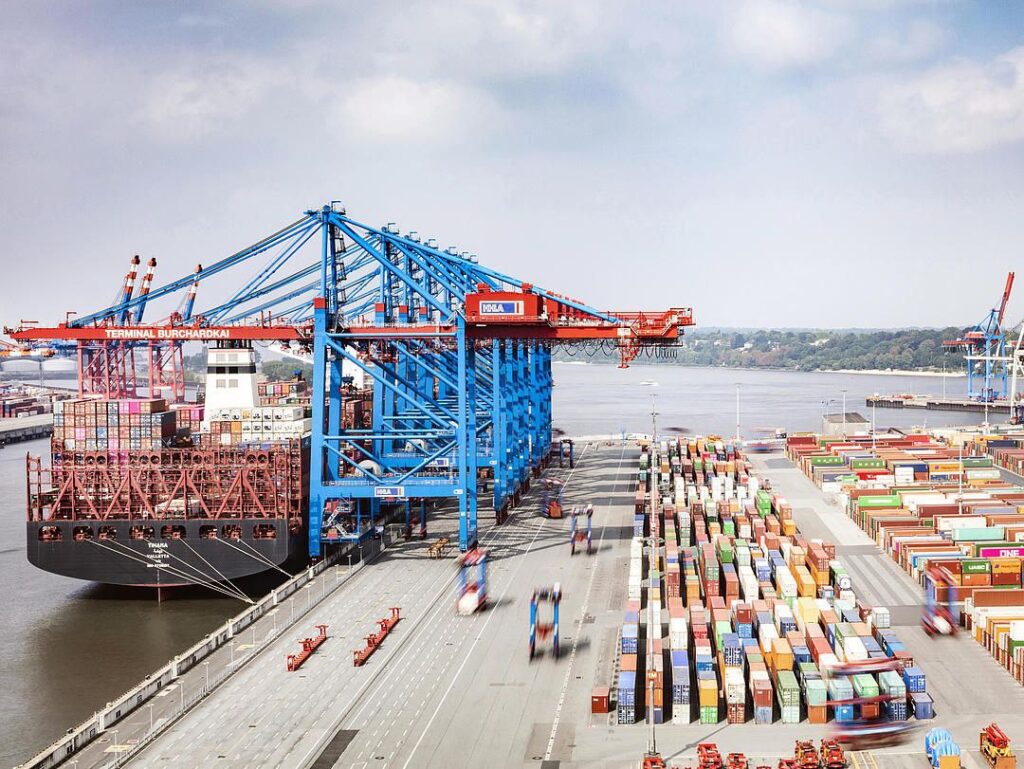
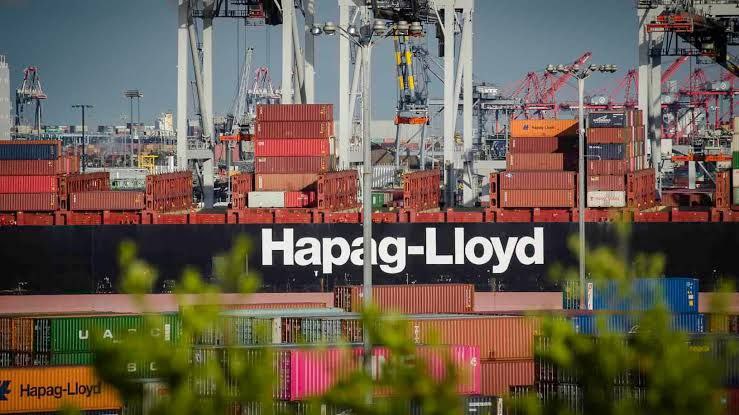
China is quietly reshaping global supply chains by investing billions in Latin American ports and transport infrastructure. Major projects in Santos, Brazil, and Chancay, Peru, aim to create efficient routes for grain and other commodities to reach Asia faster and at lower cost. These developments could have long-term consequences for U.S. agricultural exporters, who have historically relied on China as a key market.
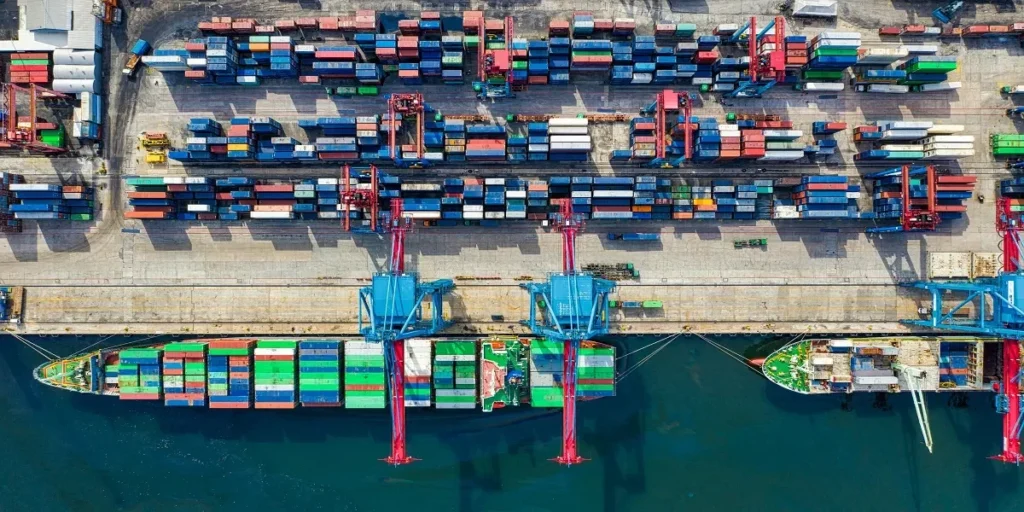
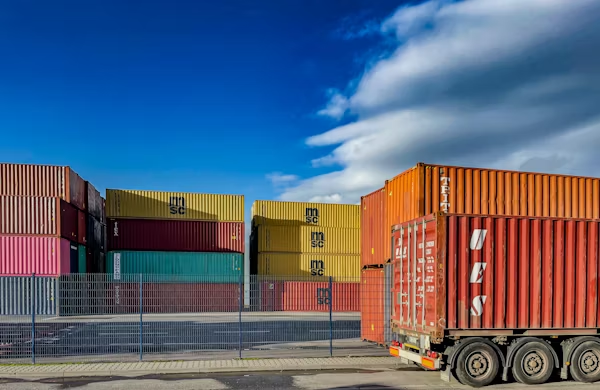
The investments extend beyond mere port upgrades. They include rail links, storage facilities, and specialized cargo terminals designed to handle large volumes of freight seamlessly. Industry experts suggest that by 2035, these logistics corridors could divert a significant share of grain exports away from U.S. ports, reshaping regional freight dynamics.

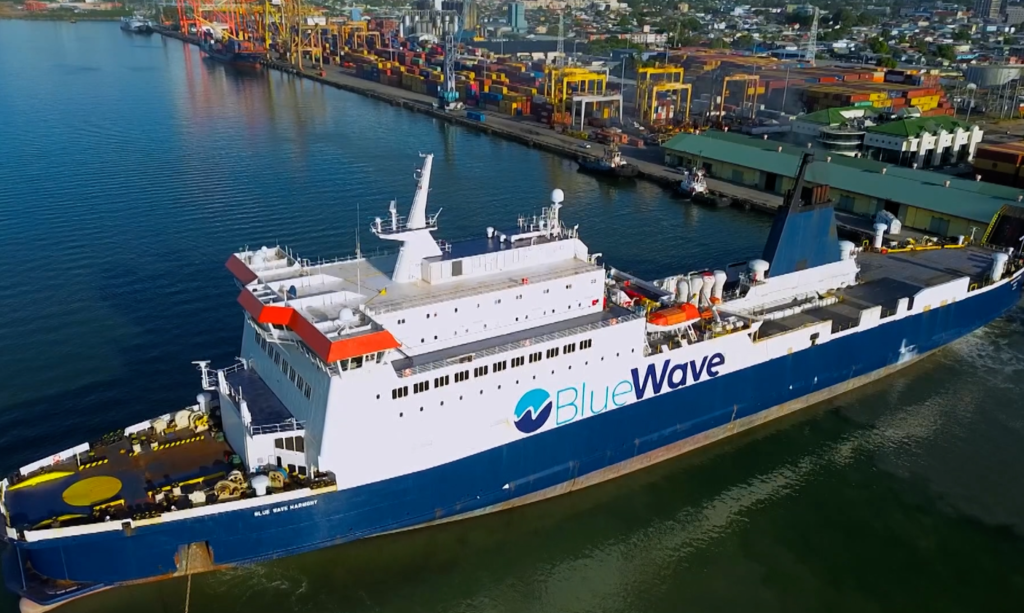
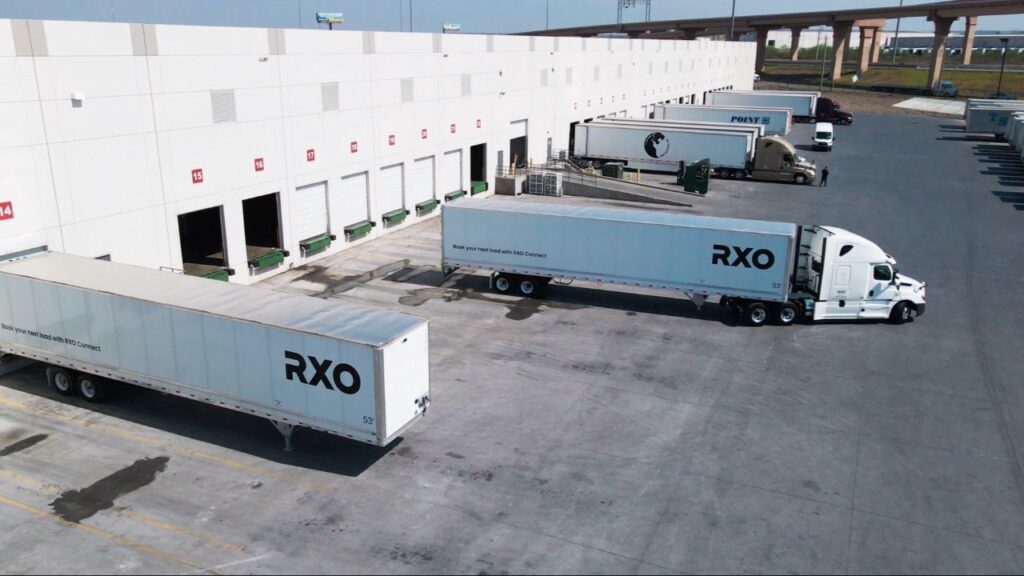
For freight operators, these changes highlight a strategic pivot in global trade. Ports in Latin America are becoming competitive alternatives to traditional North American gateways, offering faster turnaround and reduced transport costs. This evolution underscores the importance of monitoring infrastructure developments and adjusting logistics strategies accordingly.
China’s approach demonstrates a long-term vision: controlling not just production but the movement of goods across continents. Freight and shipping stakeholders who track these investments will gain insight into emerging trade patterns and potential shifts in market power over the next decade.