































U.S. Tariffs on Indian Exports: Reciprocal Levies Gone but Other Duties Still Bite
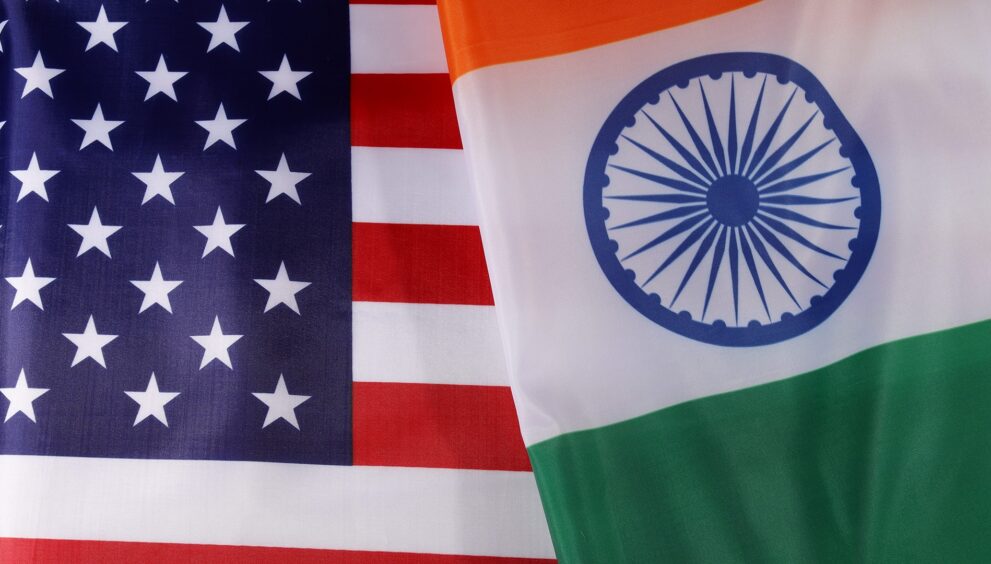
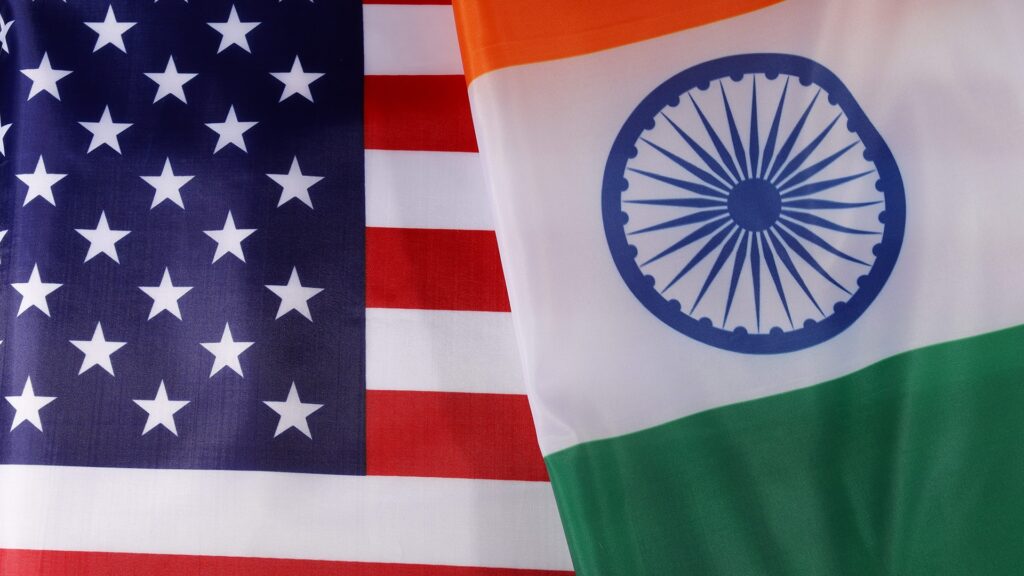
The landscape of U.S. tariffs on Indian exports is shifting, but exporters still face key duties that could affect competitiveness and market access, even after a landmark legal ruling eliminated sweeping reciprocal levies.
In February 2026, the U.S. Supreme Court struck down broad reciprocal tariffs imposed under the International Emergency Economic Powers Act (IEEPA), a move that eliminated additional ad-valorem duties on a large share of Indian exports to the United States. Analysts estimate that roughly half of India’s export value to the U.S. will now revert to standard Most Favoured Nation (MFN) tariff rates rather than facing elevated extra levies. [thehindu.com]
Despite this relief, not all barriers to trade have disappeared. Separate U.S. tariff measures continue to apply:
- Sector-Specific Duties Still in Place
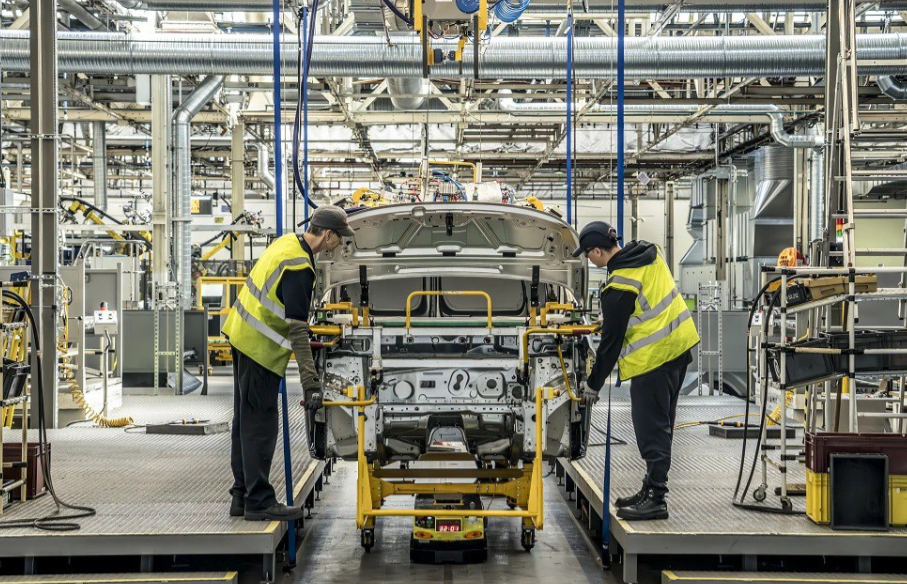
Certain tariffs — including 50% duties on steel and aluminium and 25% on specific auto components — remain separate from the invalidated reciprocal regime and are still legally in force. - Temporary Global Surcharge
Following the Supreme Court decision, the U.S. government introduced a temporary flat tariff (up to 15%) on imported goods under a different legal authority. This universal surcharge applies across countries, including India, and is not tied to the struck-down reciprocal tariffs. - Trade Agreement Uncertainty
India and the United States were in the process of finalising a trade framework intended to reduce tariffs on select goods to approximately 18%. Although that arrangement was agreed in principle, legal and policy uncertainty following the court ruling has delayed formal implementation.
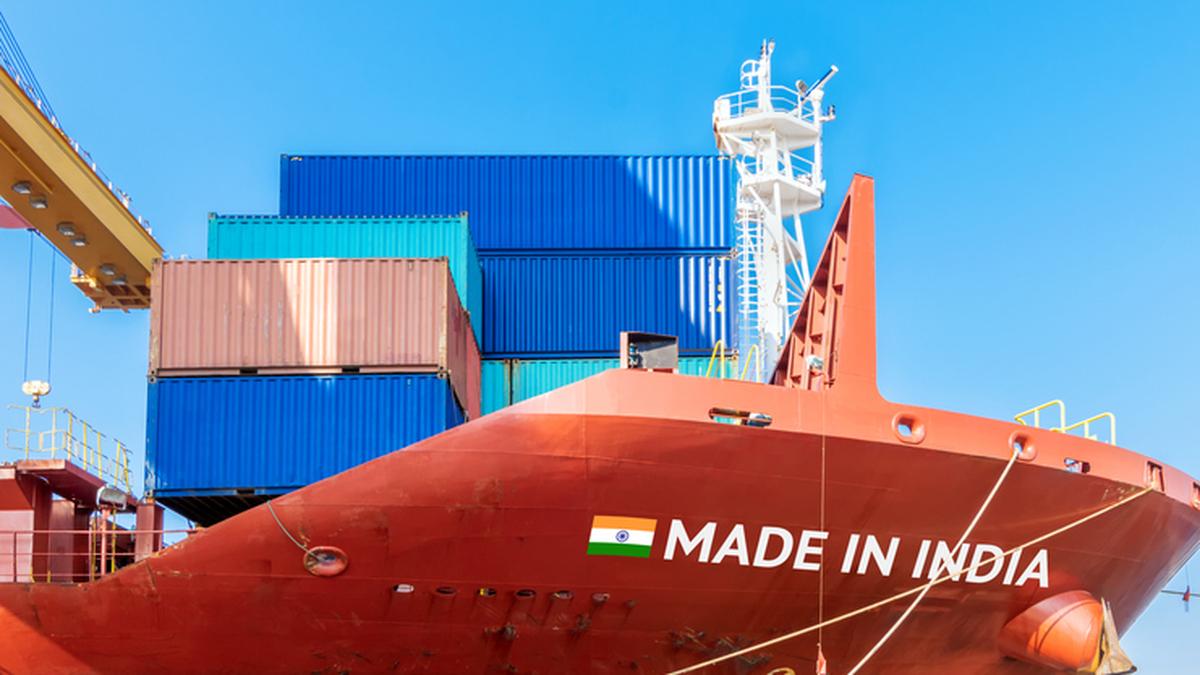
Market impacts vary by sector. Labour-intensive industries such as textiles, leather, and gems anticipate improved competitiveness from the rollback of high reciprocal levies, while heavy industries still contend with lingering national-security tariffs.
Indian government officials emphasise that while the removal of reciprocal tariffs is welcome, exporters and policymakers must remain vigilant about other U.S. tariffs on Indian exports that continue to shape trade dynamics.
As the situation evolves, freight stakeholders will be watching closely how tariff structures, trade deals, and U.S. policy decisions influence trade flows and supply-chain strategies in the months ahead.