



















Trump Eyes Tariff Exemptions on Key Food Imports
Trump Signals Tariff Exemptions on Key Food Imports (Shift in U.S. Trade Strategy)
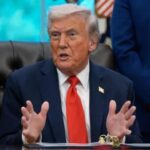
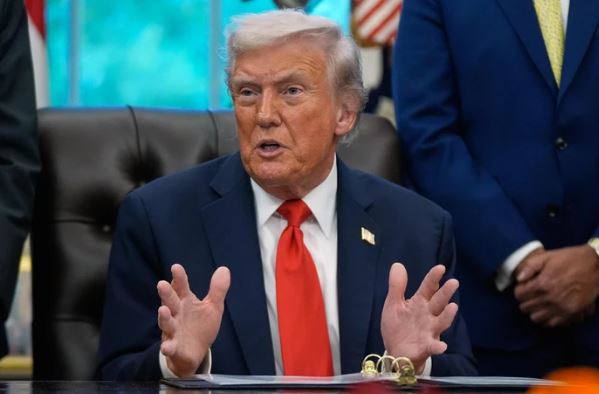
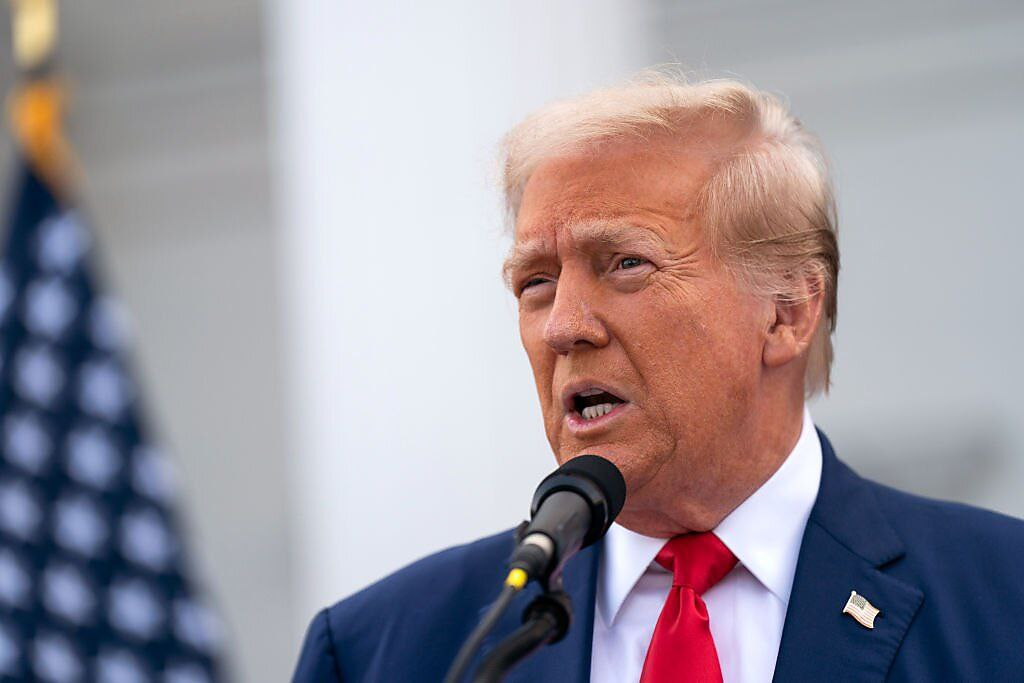
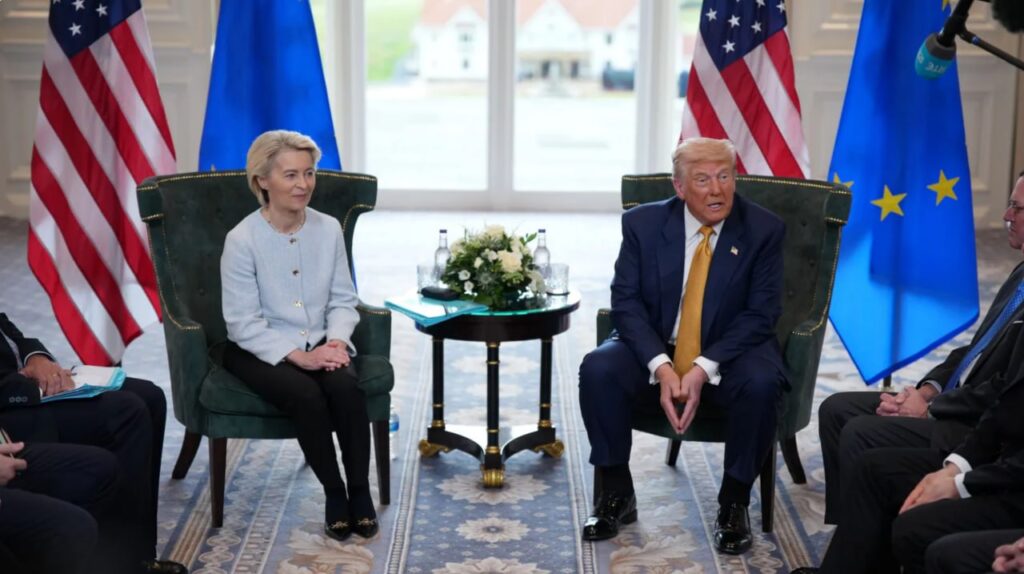
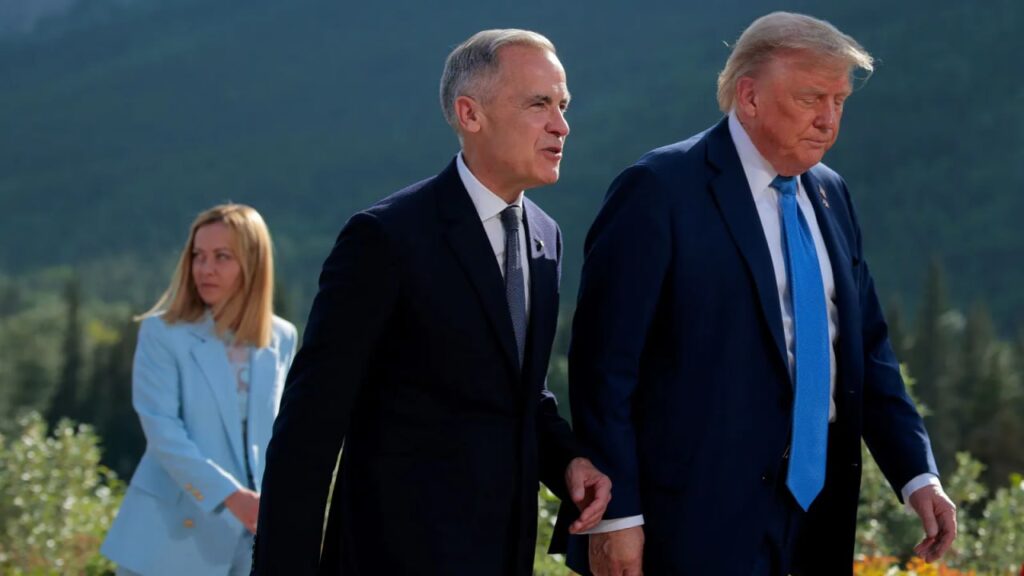
The U.S. Trade Representative, Jamieson Greer, announced that President Donald Trump is now prepared to issue tariff exemptions on certain food products that are not produced domestically (including coffee, cocoa, and bananas).
This development comes amid sustained pressure on U.S. grocery prices and growing concerns about inflation.
The move follows newly signed trade framework agreements between the U.S. and several Latin American countries, including Argentina, Ecuador, Guatemala, and El Salvador. These agreements create new pathways for reducing or removing tariffs on select imports.
A Shift From the “Reciprocal Tariffs” Approach
The decision marks a notable pivot away from Trump’s earlier stance that all imports should face tariffs. Instead, the administration is moving toward a targeted tariff strategy, maintaining duties where domestic alternatives exist and easing them where the U.S. has no production capability.
Why It Matters for Trade & Supply Chains
- Could reduce prices for imported food staples
- Strengthens trade partnerships across Latin America
- Signals increased flexibility in U.S. trade policy
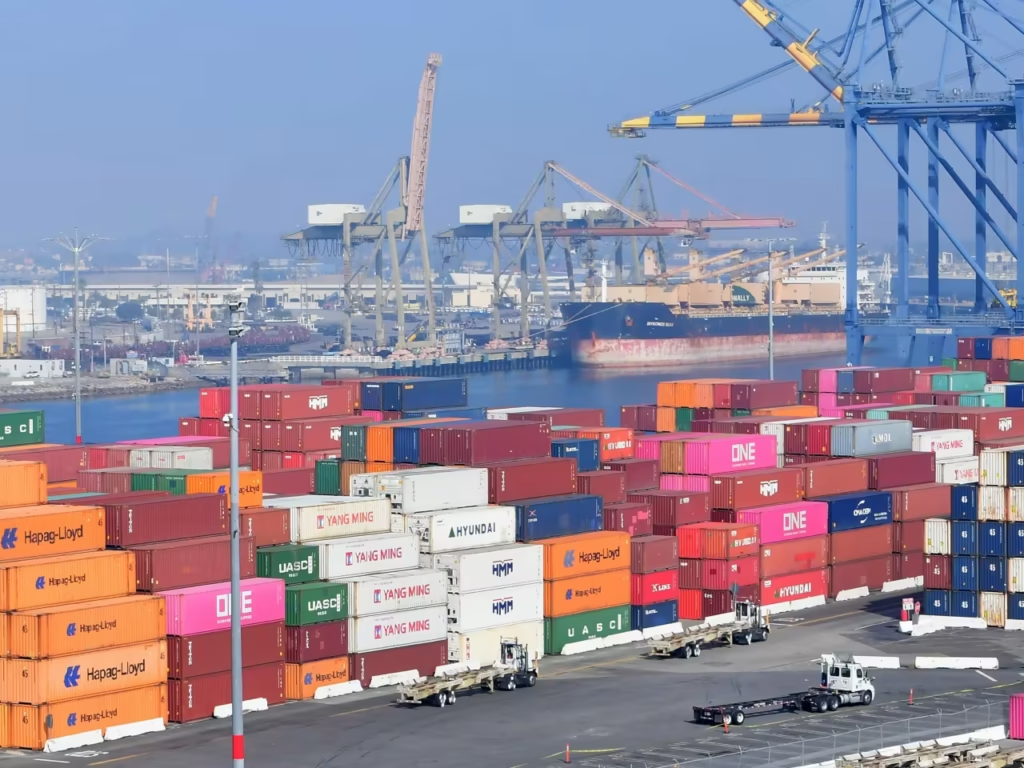
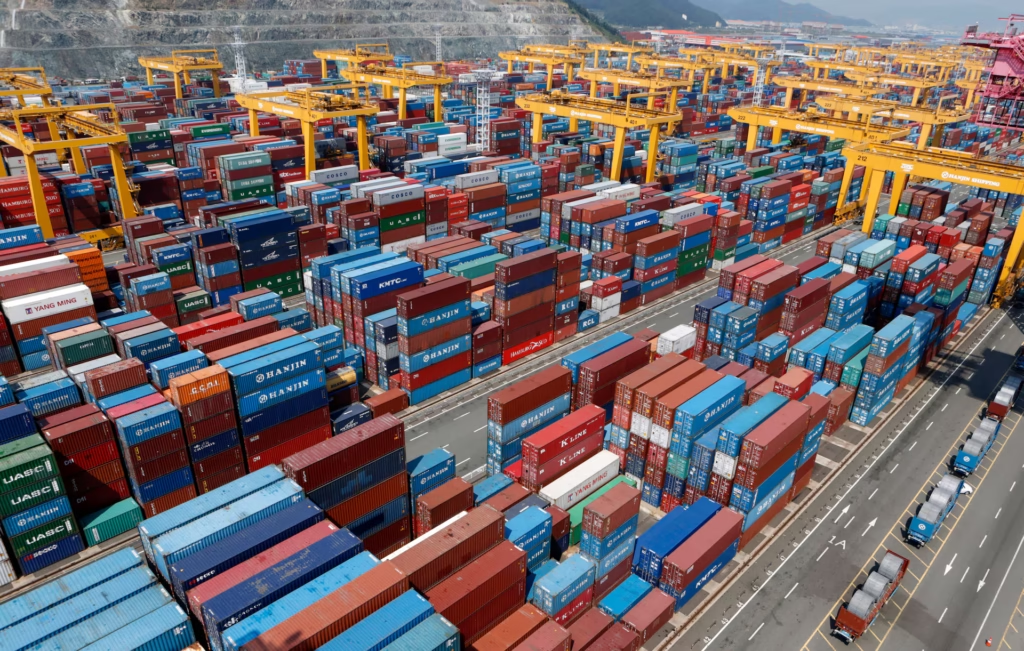
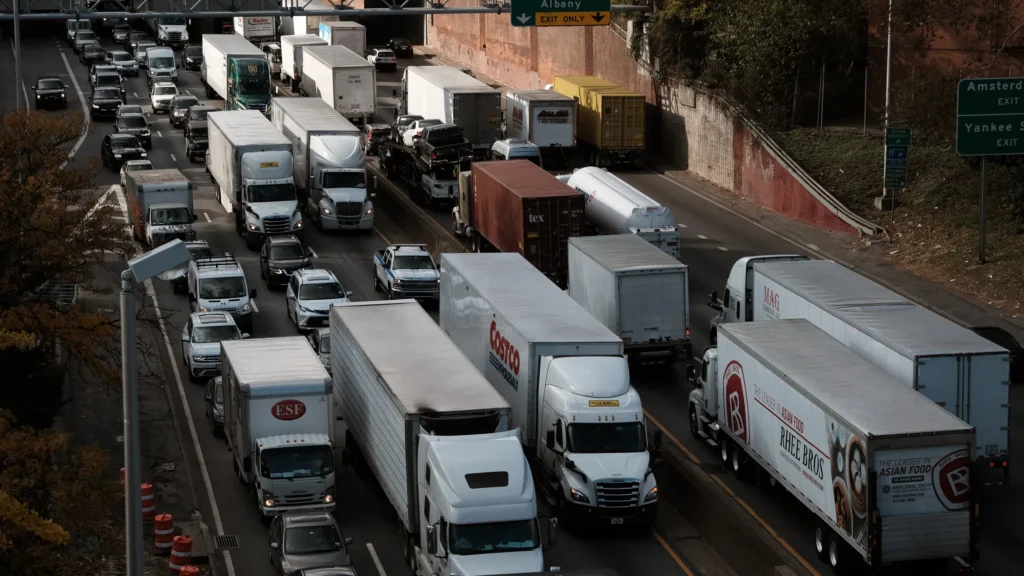
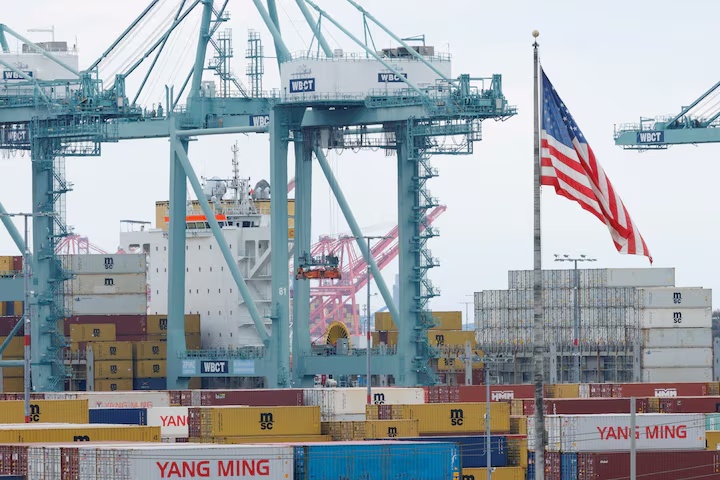
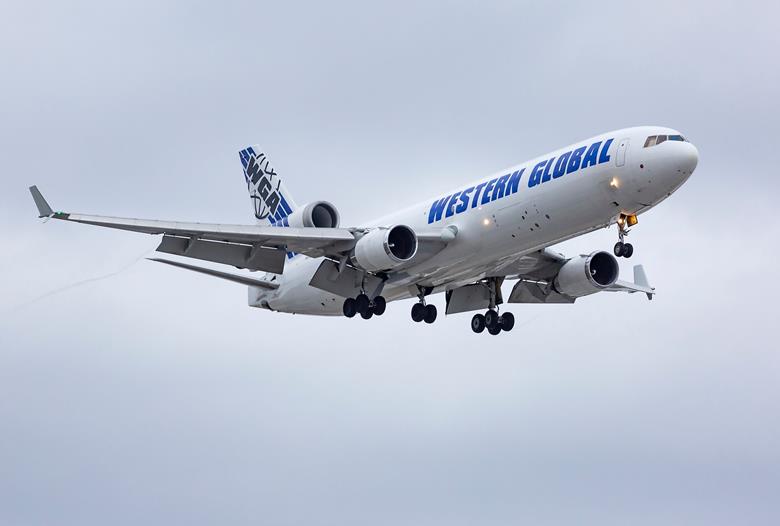
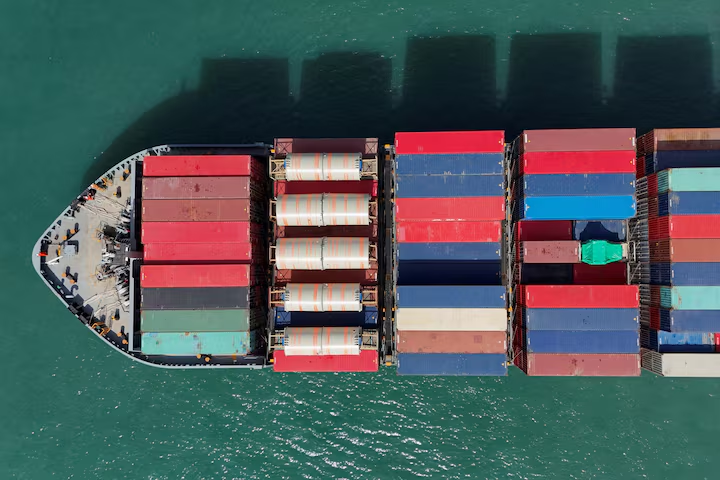
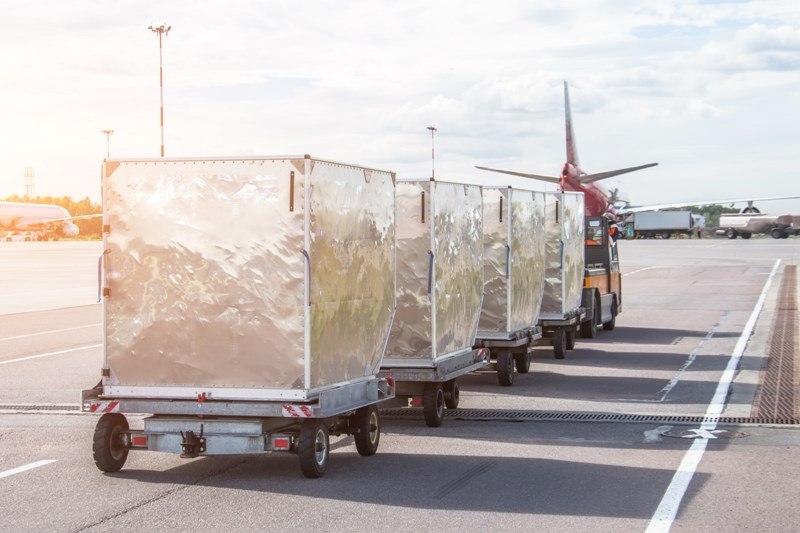
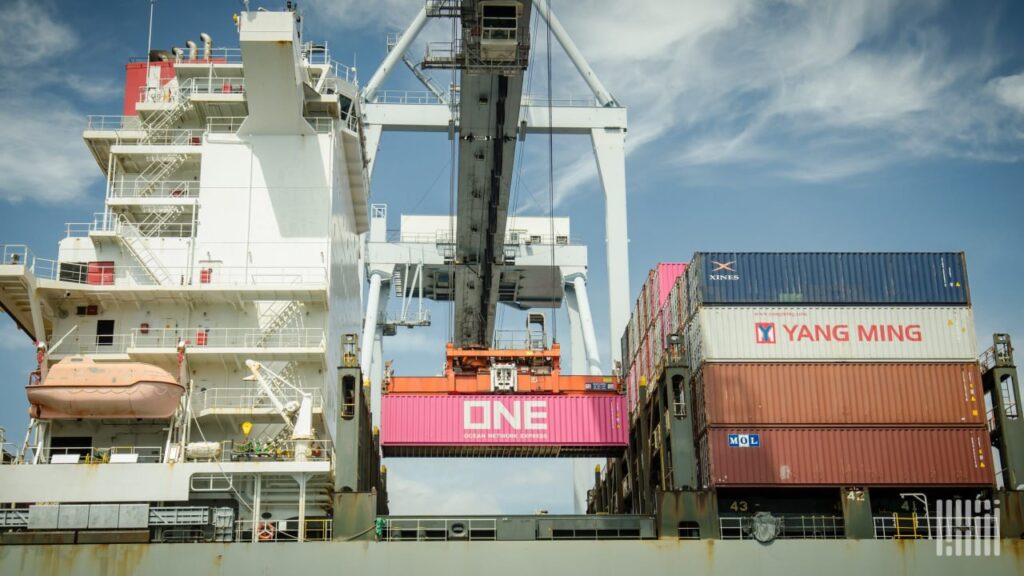
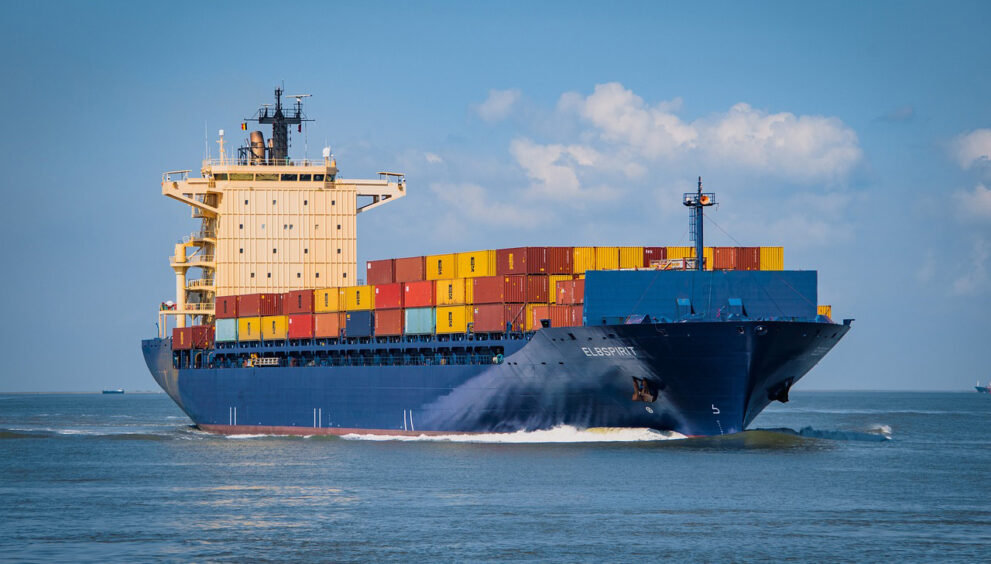
- May influence shipping flows and sourcing strategies for freight operators
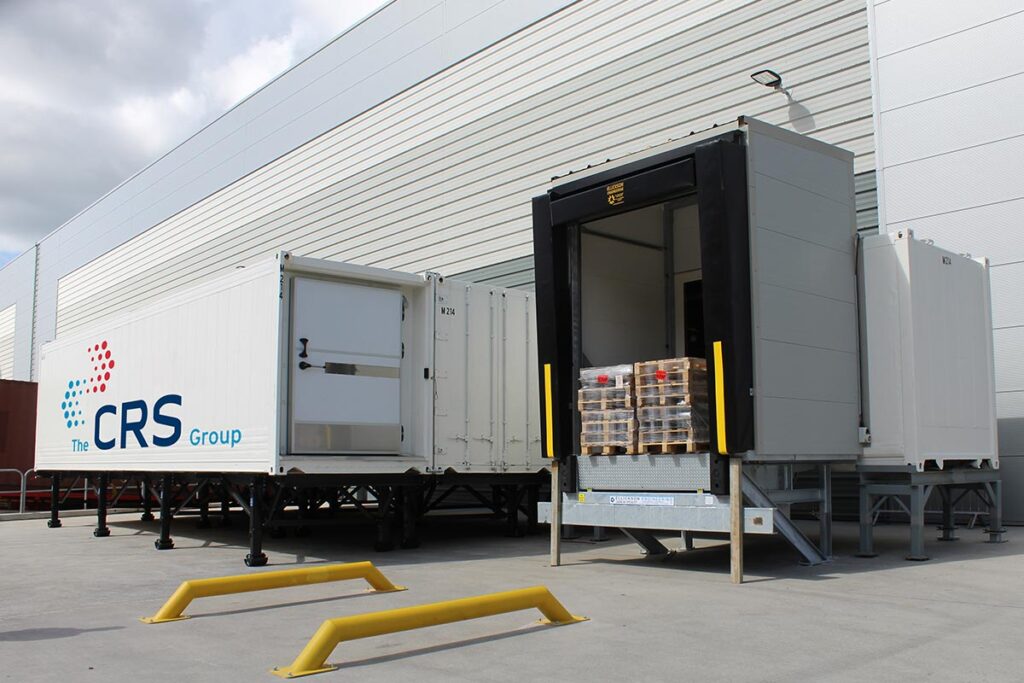
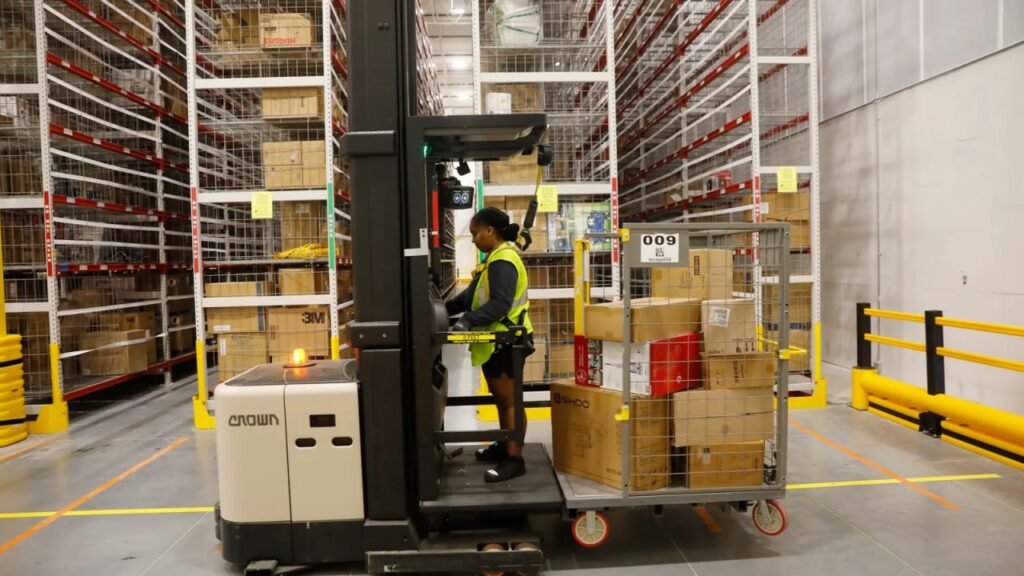
As the U.S. adjusts its tariff structure, logistics and supply-chain stakeholders should monitor potential changes in routing, sourcing, and import volumes, especially for temperature-controlled and bulk agricultural shipments.