







































Non-Domiciled CDLs Enter New Regulatory Era as U.S. Tightens Driver Eligibility Rules
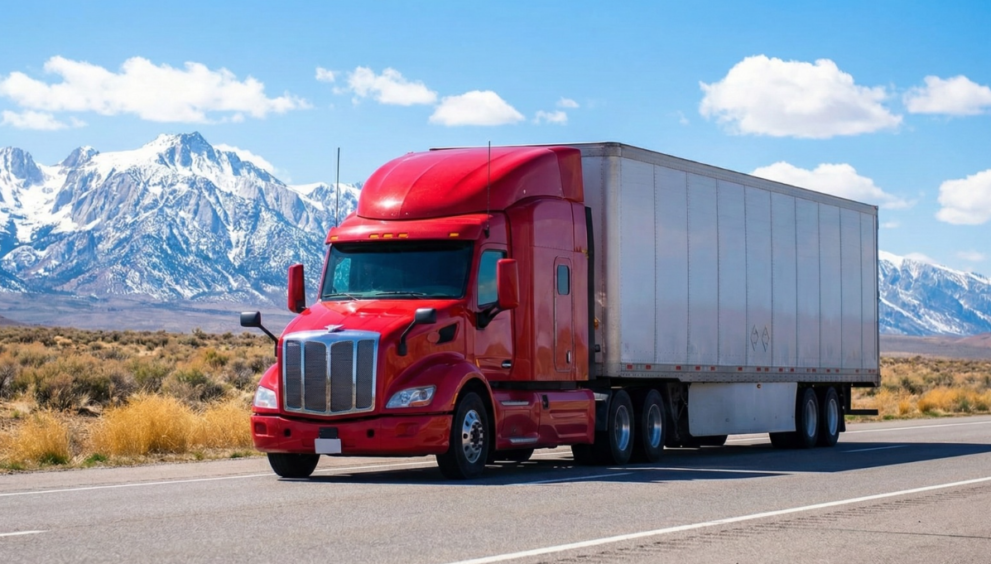
The Federal Motor Carrier Safety Administration finalizes sweeping restrictions on non-domiciled CDLs, reshaping cross-border driver availability and compliance requirements for carriers.
The U.S. trucking sector is entering a new compliance phase after regulators finalized updated rules governing non-domiciled CDLs, significantly tightening eligibility requirements and documentation standards for foreign-based commercial drivers operating within the United States. The finalized regulation is expected to influence driver availability, cross-border freight operations, and compliance strategies for carriers and logistics providers beginning in 2026. [FreightWaves]
The rule formally establishes stricter federal oversight of how states issue non-domiciled Commercial Driver’s Licenses (CDLs), closing what regulators previously described as verification and documentation gaps. Under the updated framework, states must apply more rigorous identity and legal-presence validation procedures before issuing these licenses, ensuring that drivers meet uniform federal security and eligibility standards. For carriers operating international or cross-border lanes, the new requirements will require updated onboarding and verification workflows to avoid compliance risks.
Industry analysts note that the regulation could have measurable short-term effects on driver supply in certain cross-border or specialized freight markets that have historically relied on non-domiciled CDL holders. While the rule does not eliminate the program entirely, it narrows eligibility pathways and raises documentation standards, which may temporarily reduce the number of qualifying drivers until licensing pipelines adjust. Carriers may need to reassess recruiting strategies, workforce planning, and training programs to maintain capacity stability during the transition period.
The compliance burden is also expected to shift toward state licensing agencies, which must update administrative procedures, identity-verification systems, and auditing practices to meet the new federal requirements. This operational adjustment could create temporary processing delays as states align with the revised standards, particularly in jurisdictions with historically high volumes of non-domiciled CDL applications. Logistics firms that rely on cross-border driver pools are therefore encouraged to monitor state-level implementation timelines closely.
Supporters of the rule argue that standardized verification practices will strengthen licensing integrity, enhance roadway safety oversight, and create more consistent enforcement nationwide. By ensuring that all non-domiciled CDL applicants undergo the same documentation review standards, regulators aim to reduce inconsistencies that previously existed between state licensing systems. Proponents also suggest that improved verification procedures could help reduce fraud risks and enhance long-term transparency within the commercial licensing ecosystem.
Critics, however, caution that tighter eligibility standards could exacerbate existing driver-supply constraints in certain freight segments, particularly those dependent on cross-border operations or specialized seasonal capacity. Some industry stakeholders have urged regulators to monitor labor-market impacts closely and consider future adjustments if the rule contributes to measurable disruptions in freight movement or capacity availability. The debate highlights the ongoing balancing act between regulatory oversight, safety priorities, and workforce stability across the trucking sector.