


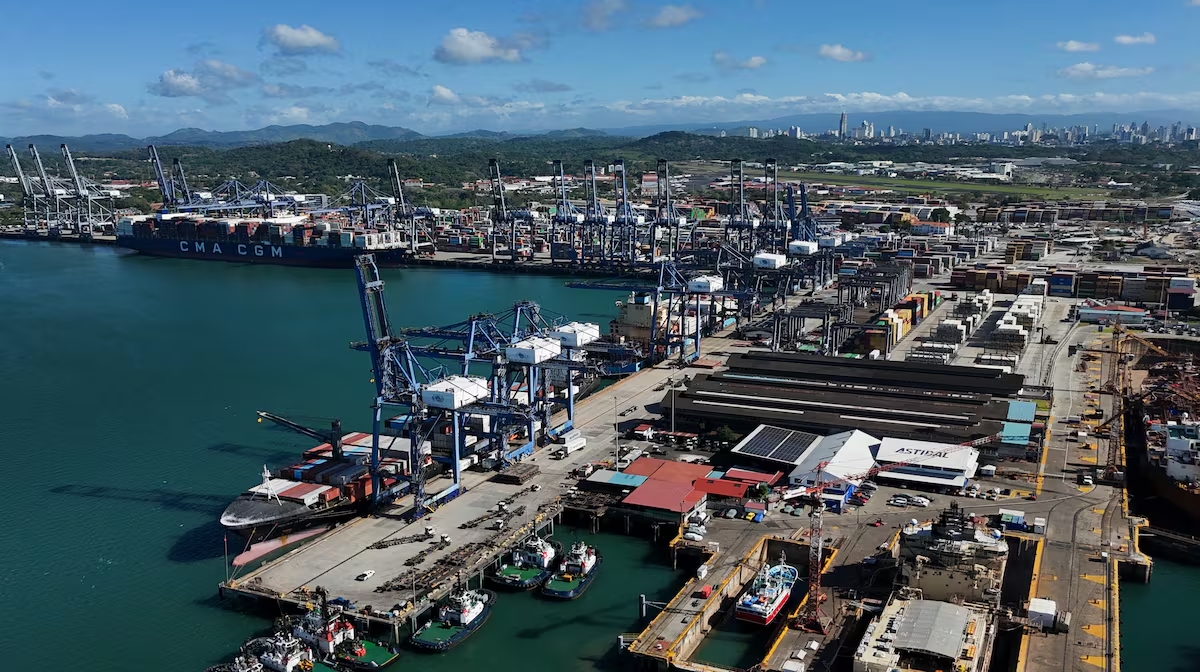


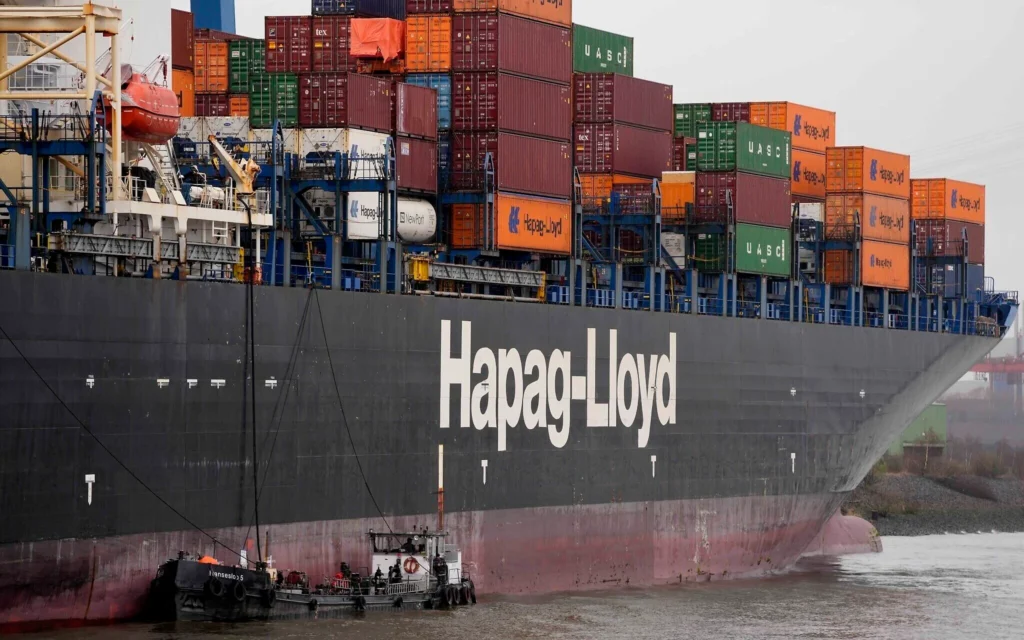
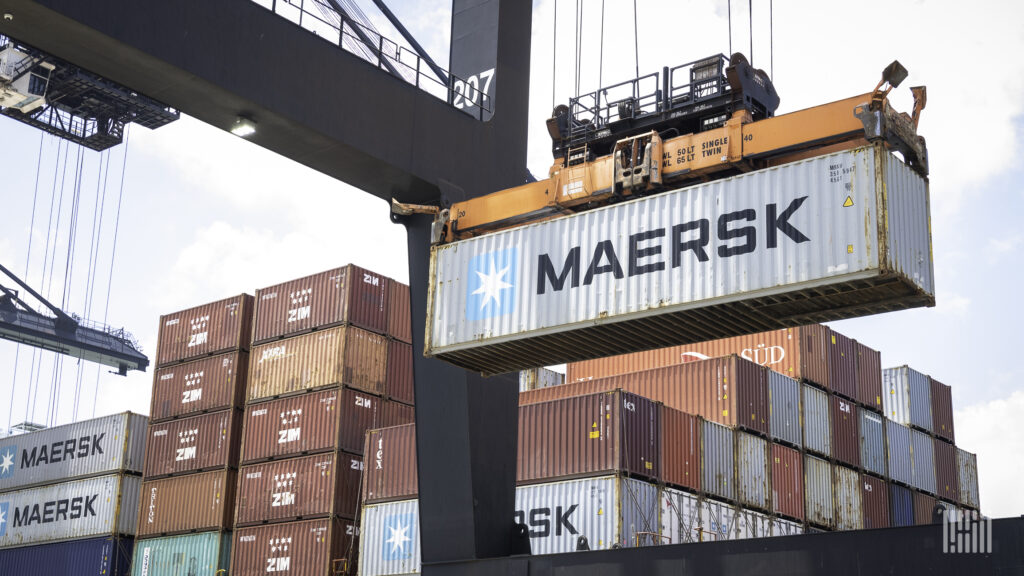

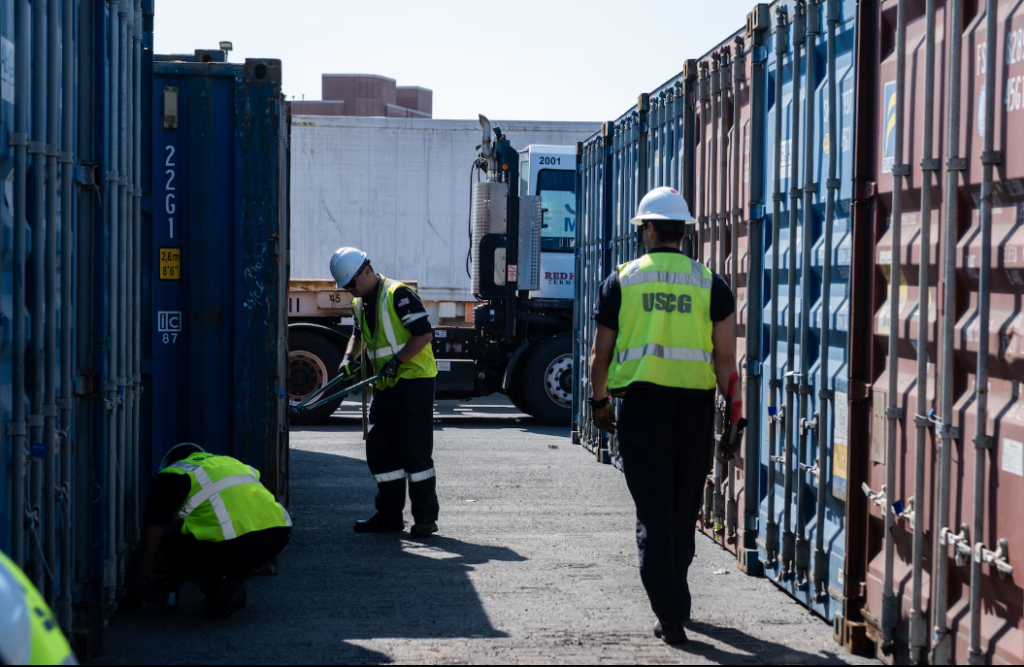

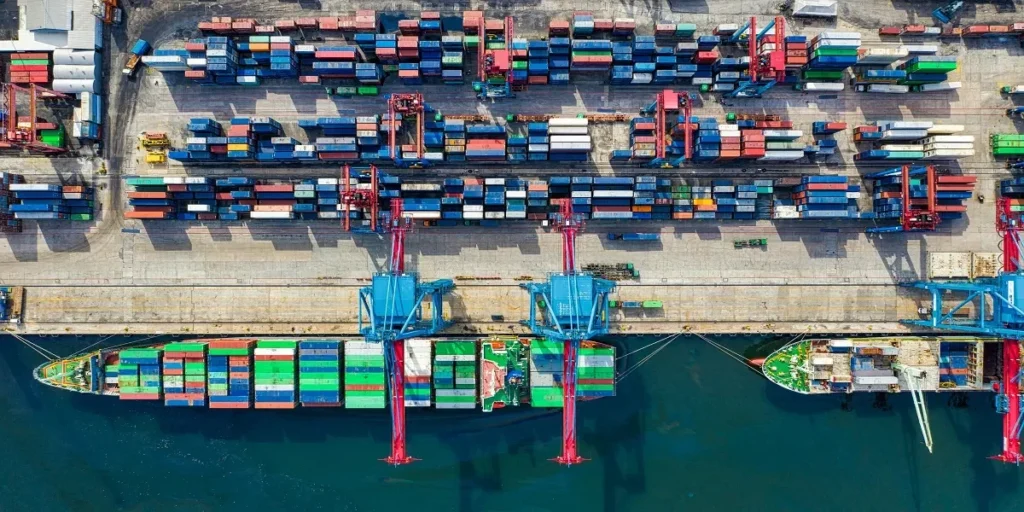
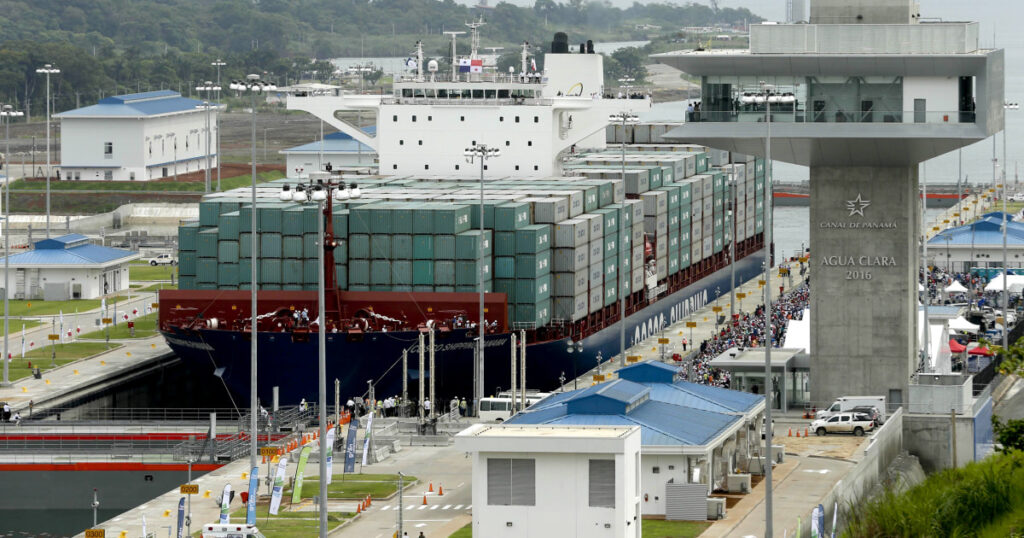







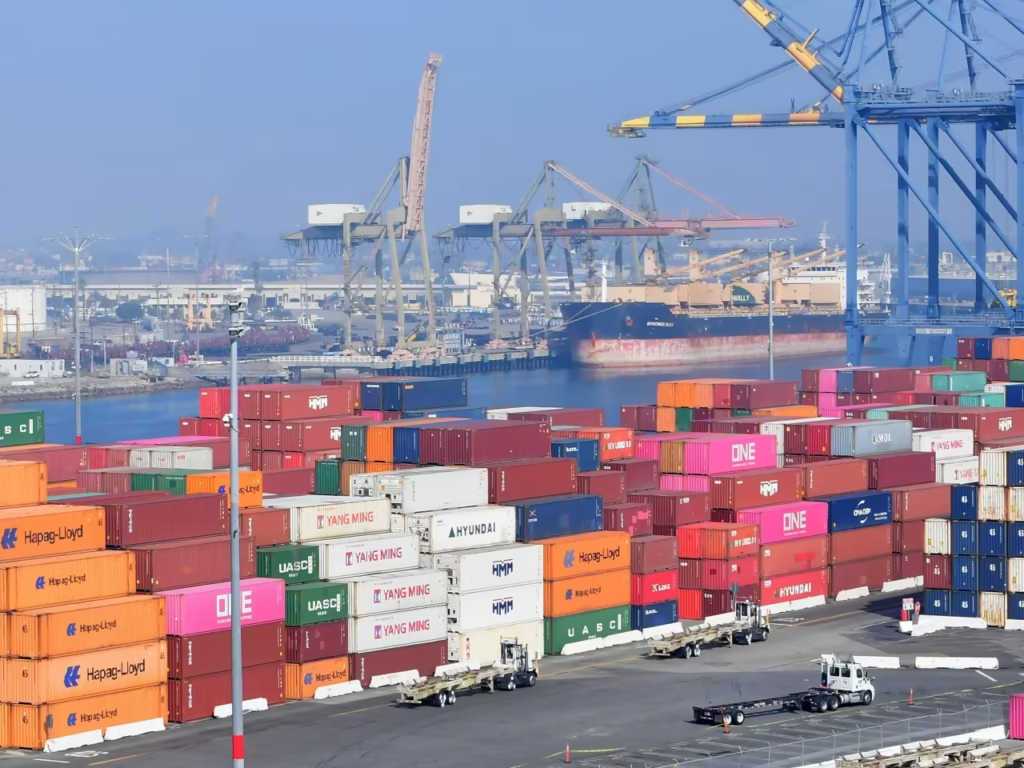


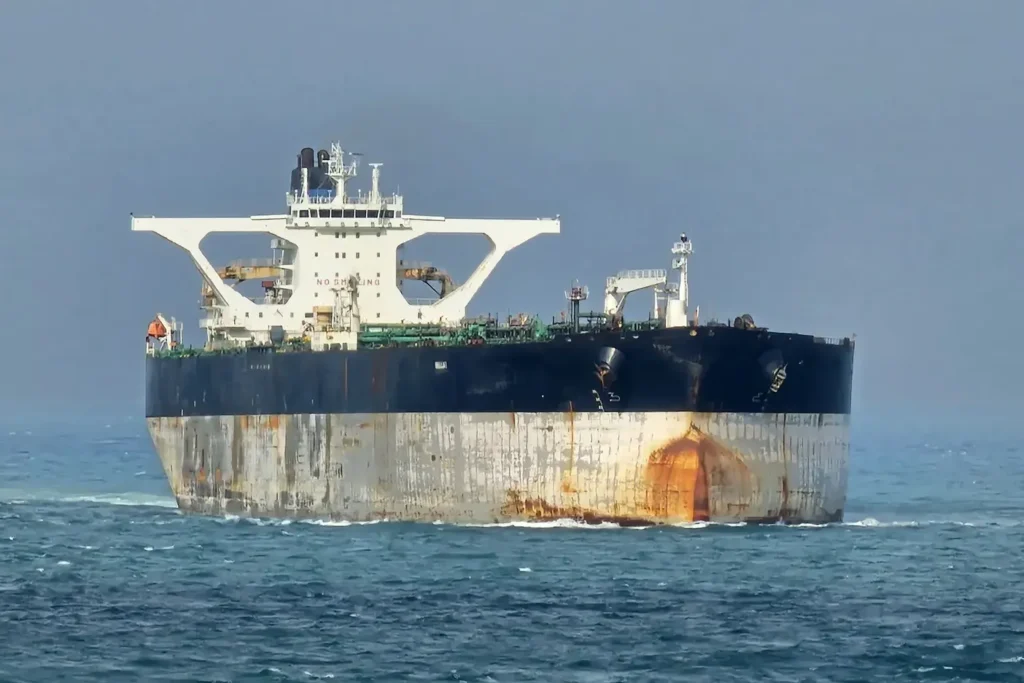
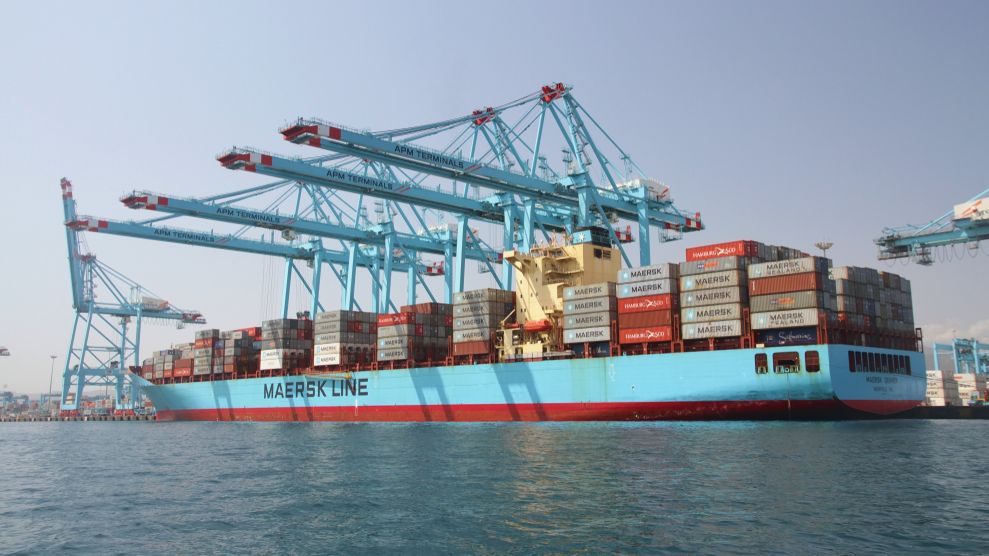

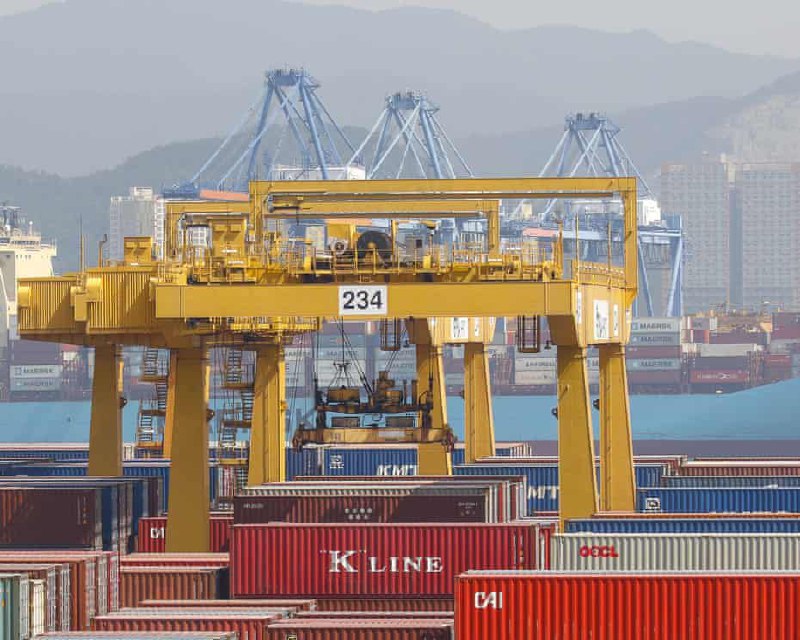

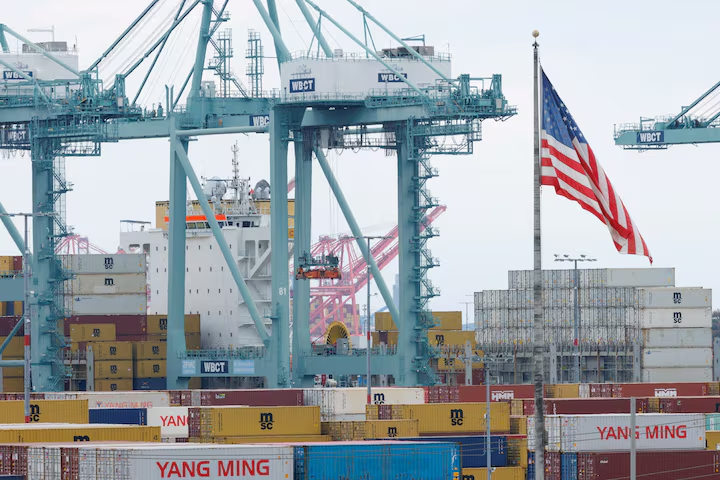







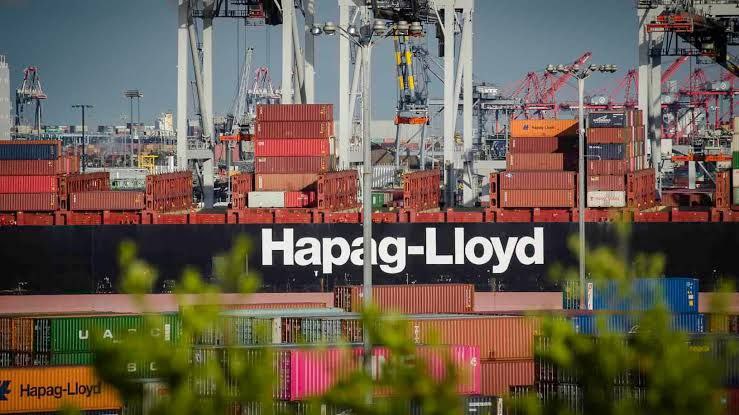


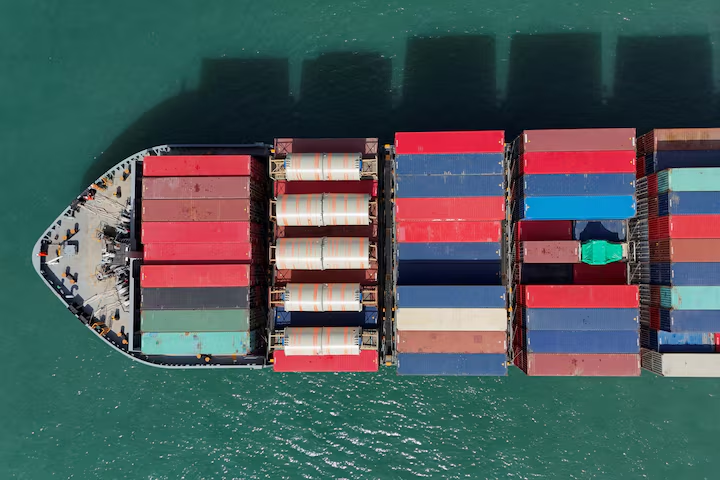
















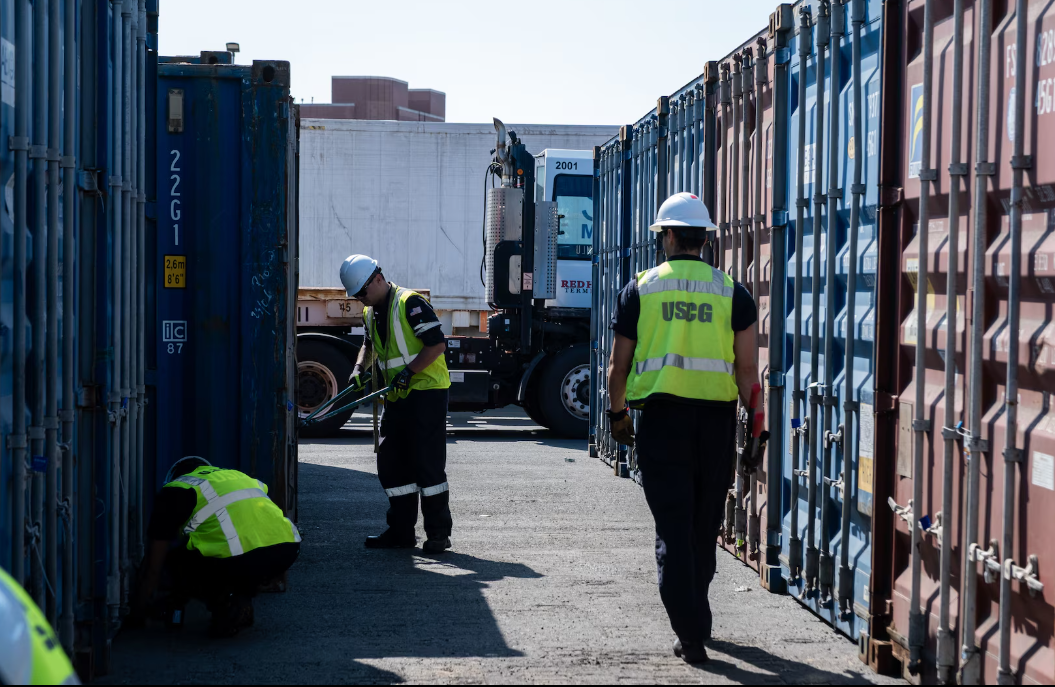
The CBP vessel export rule is set to transform how outbound ocean shipments are monitored, as U.S. Customs and Border Protection moves to require advance electronic export manifest filings to better detect high-risk exports before cargo leaves U.S. ports. The regulatory shift reflects a broader push toward supply-chain security, export-control enforcement, and digital data transparency across global freight operations. [FreightWaves]
Under the proposed framework, vessel operators and related logistics stakeholders would be required to submit electronic cargo manifest data prior to loading, replacing paper-based processes that have historically limited early-stage risk detection. The change is designed to give authorities earlier visibility into export shipments, enabling faster intervention when sensitive or restricted goods are suspected.

For exporters, freight forwarders, and ocean carriers, the rule could introduce new operational and technology compliance requirements, particularly for companies that still rely on manual documentation or fragmented export-filing workflows. Organizations may need to update internal systems, integrate export data pipelines, and ensure coordination between compliance, documentation, and transportation teams.
Industry analysts note that the regulation also highlights a growing trend toward digitized trade compliance, where governments increasingly require structured shipment data in advance to manage geopolitical risk, export controls, and sanctions enforcement. Similar initiatives in air cargo and cross-border trucking have already demonstrated how advance data mandates can reshape logistics planning and documentation processes.
For logistics technology providers and digital freight platforms, the CBP vessel export rule underscores rising demand for automated compliance tools capable of managing export filings, validating shipment data, and improving cargo visibility across international supply chains. Companies that adopt automated compliance workflows early may reduce filing delays, mitigate penalties, and strengthen export readiness as regulatory enforcement tightens.