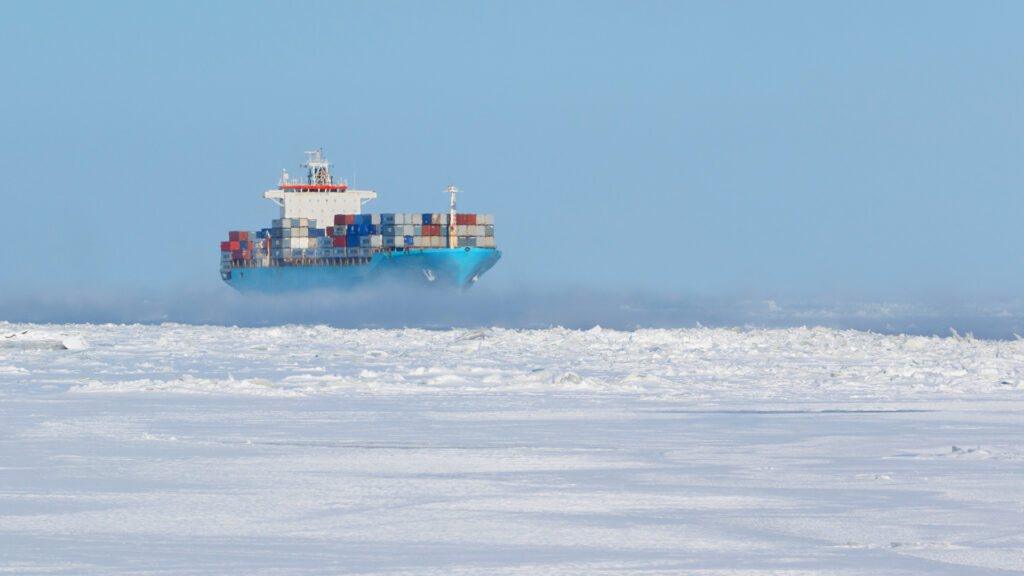
In a firm message to the global shipping industry, MSC Mediterranean Shipping Company CEO Soren Toft has officially reaffirmed that MSC will continue to avoid the Arctic’s Northern Sea Route — despite growing activity by Chinese carriers along this emerging ocean corridor. [gcaptain.com]
Toft highlighted that safe navigation remains uncertain, that crew risk is too high, and that increased traffic threatens fragile Arctic ecosystems and local communities. He emphasized that MSC’s existing global network already allows cargo to move safely and reliably without resorting to the Arctic passage.
This stance places MSC among a group of major Western carriers — including Maersk, CMA CGM, Evergreen, and Hapag-Lloyd — that have publicly pledged not to use the Northern Sea Route over environmental and operational concerns.
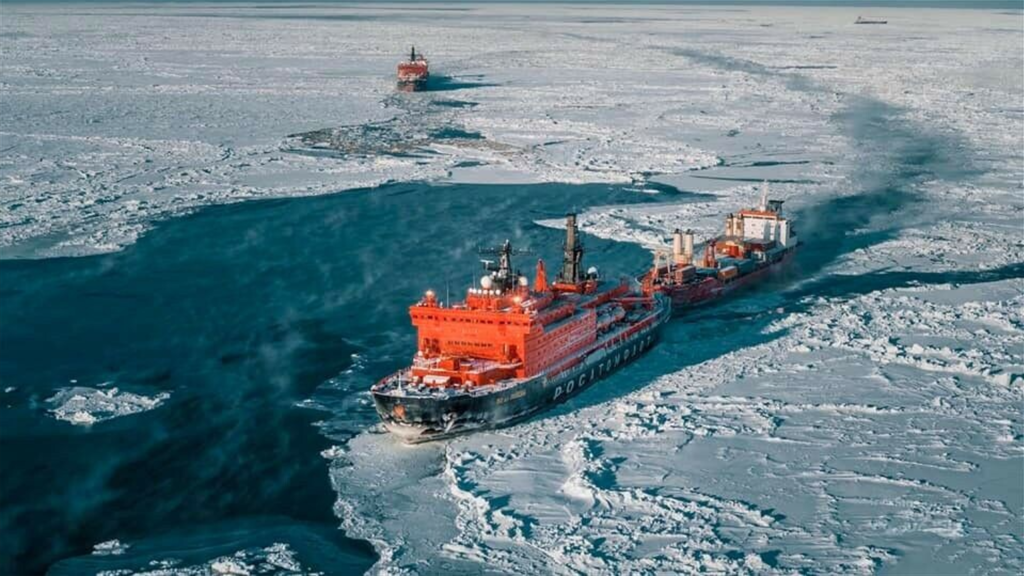
Contrasting sharply with MSC’s position, Chinese operators are accelerating their Arctic push. In 2025, Chinese lines completed a record 14 container voyages via the Northern Sea Route, a more than two-and-a-half-fold increase from the prior year. The surge is driven by dramatically shorter transit times — with direct voyages from China to the UK taking around 20 days, significantly faster than the traditional Suez Canal journey of 40–50 days. Plans are already under way by Chinese firms to expand service frequency and ice-class vessel capacity in 2026.
Despite a navigation season that was slightly shorter due to early ice formation, Russia reported over 100 transits along the route in 2025, totaling millions of tonnes of cargo — albeit mostly bulk energy and commodities rather than containers.
For now, the global container trade is experiencing a clear split: Western carriers emphasizing environmental stewardship and safety, while Chinese operators aggressively explore the Arctic’s potential as a transformative alternative shipping corridor.